
Unveiling the intricate secrets of the human body is like embarking on an exhilarating quest, where each discovery takes humanity one step closer to unraveling the mysteries that lie deep within. Today, dear reader, we embark on a journey to understand a mystifying adversary that affects millions of men globally – prostate cancer. In this article, we will delve into the depths of this enigma, uncovering the risks that assail us, the diagnosis approach that stands as our beacon of hope, and the preventive measures that empower us. Brace yourself, for we are about to traverse the terrain of knowledge, navigating through the vast expanses of understanding prostate cancer.
Risks Associated with Prostate Cancer: Unveiling the Factors that Increase Vulnerability
Prostate cancer, one of the most common types of cancer in men, poses numerous risks that can significantly impact an individual’s health and quality of life. Understanding these risks is crucial in order to detect the disease early on and implement preventive measures. While prostate cancer can affect anyone, there are certain factors that increase vulnerability and warrant closer attention.
Age: Advancing age is a key risk factor for developing prostate cancer, with the majority of cases occurring in men over the age of 65. As individuals get older, the cells in the prostate gland may undergo genetic changes, increasing the likelihood of cancer development. Regular screenings and discussions with healthcare professionals are essential for early detection and appropriate management.
Family History: A significant factor that influences prostate cancer vulnerability is family history. If close relatives, particularly father or brothers, have had prostate cancer, the risk of developing the disease amplifies. Genetic factors passed down in families can contribute to an increased susceptibility, often necessitating earlier and more frequent screenings. Awareness of family medical history assists in devising personalized prevention and treatment strategies.
Prominent Diagnostic Techniques: Shedding Light on Precise Prostate Cancer Detection
When it comes to prostate cancer, early detection can play a crucial role in successful treatment. Thankfully, there are several prominent diagnostic techniques available that can help shed light on this disease and provide the necessary information for precise detection. These techniques not only aid in detecting prostate cancer but also assist in determining the stage and aggressiveness of the cancer, enabling healthcare professionals to create personalized treatment plans.
One widely used diagnostic technique is prostate-specific antigen (PSA) testing. This blood test measures the level of PSA, a protein produced by the prostate gland. Elevated PSA levels can indicate the presence of prostate cancer or other conditions, such as an enlarged prostate or inflammation. While PSA testing is not a definitive diagnostic method, it serves as an important initial screening tool and can prompt further investigation if levels are elevated. It’s important to note that PSA levels can fluctuate for various reasons, so additional diagnostic techniques are typically used to confirm or rule out the presence of cancer.

Prevention Strategies: Empowering Men to Safeguard Against Prostate Cancer
Prostate cancer is a prevalent disease that affects countless men around the world. However, the good news is that there are effective prevention strategies that can empower men to safeguard against this potentially life-threatening condition. By understanding the risks, diagnosis, and prevention methods, men can take proactive steps to protect their health and reduce the likelihood of developing prostate cancer.
1. Maintain a Healthy Lifestyle:
- Eat a balanced diet rich in fruits, vegetables, and whole grains.
- Limit consumption of processed foods, red meat, and high-fat dairy products.
- Engage in regular physical activity such as walking, jogging, or playing sports.
- Avoid smoking and limit alcohol intake.
2. Get Regular Check-ups:
- Visit a healthcare professional for routine screenings and check-ups.
- Discuss your family history of prostate cancer and any symptoms you may experience.
- Undergo recommended tests, such as prostate-specific antigen (PSA) blood tests and digital rectal exams, to detect any abnormalities.
- Be proactive and address any concerning symptoms promptly.
By incorporating these prevention strategies into daily life, men can play an active role in safeguarding against prostate cancer. Remember, early detection and addressing potential risk factors are key to maintaining good prostate health. Empower yourself with knowledge and take charge of your well-being!
| Risk Factors | Suggested Prevention |
|---|---|
| Age (over 50) | Regular screenings and healthy lifestyle choices |
| Family history | Discuss with healthcare professional and monitor regularly |
| Obesity | Maintain healthy weight through exercise and nutritious diet |
| Sedentary lifestyle | Engage in regular physical activity |
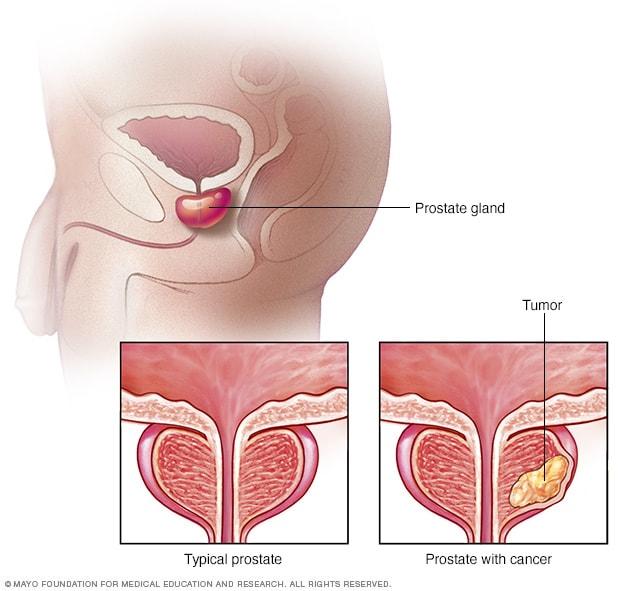
Increasing Awareness: Encouraging Regular Check-ups and Early Intervention for Prostate Cancer
Prostate cancer is one of the most prevalent forms of cancer affecting men worldwide. Although it is a serious disease, early detection and intervention can significantly increase the chances of successful treatment and recovery. Understanding the risks, diagnosis, and prevention strategies related to prostate cancer is essential for creating awareness and encouraging men to prioritize regular check-ups.
Risks:
- Age- The risk of developing prostate cancer increases with age, particularly after the age of 50.
- Family History- Men with a family history of prostate cancer are at a higher risk of developing the disease.
- Ethnicity- African-American men have a higher risk of prostate cancer compared to other ethnic groups.
Diagnosis:
Early diagnosis plays a vital role in effectively managing prostate cancer. Regular check-ups combined with appropriate screening methods can help detect the disease at an early stage. The two most common tests for diagnosing prostate cancer are:
- Prostate-Specific Antigen (PSA) Test- Measures the level of PSA in the blood, a high level may indicate the presence of cancer.
- Digital Rectal Exam (DRE)- Involves the physical examination of the prostate gland to check for any abnormalities or lumps.
Prevention:
While there are no guaranteed methods to prevent prostate cancer, adopting a healthy lifestyle can lower the risk. Some prevention strategies include:
- Maintaining a balanced diet rich in fruits and vegetables.
- Regular physical activity and exercise.
- Avoiding tobacco and excessive alcohol consumption.
Increasing awareness about the risks, diagnosis, and prevention of prostate cancer is crucial for promoting early intervention. By encouraging regular check-ups and adopting a healthy lifestyle, men can take proactive steps towards protecting their well-being.
Concluding Remarks
As we come to the end of our journey through the intricate landscape of prostate cancer, one thing becomes crystal clear: knowledge is the compass that guides us towards prevention and early detection. By understanding the risks, diagnosis, and prevention strategies associated with this silent adversary, we embark on a path of empowerment and proactivity.
Prostate cancer, a formidable opponent that affects countless men worldwide, hides in the shadows, often without revealing its presence until it has already gained ground. Recognizing this alarming fact, we have delved into the depths of this condition, unraveling its complexities to equip ourselves with the necessary tools to combat it.
We began by shedding light on the risks that lie in the shadows, urging us to take a moment to assess our own vulnerability. Understanding the links between age, family history, ethnicity, and lifestyle choices, we were able to paint a clearer picture of the potential dangers lurking within our own bodies.
With our awareness heightened, we embarked on a journey through the labyrinthine world of diagnosis. From blood tests to biopsies, we explored the various techniques medical professionals employ to grasp prostate cancer by its roots. Armed with this knowledge, we encourage you to engage in open conversations with healthcare providers, ensuring no stone is left unturned in the quest for early detection.
Prevention, an elixir of life, took center stage as we explored the strategies and lifestyle choices that fortify the body against the perils of prostate cancer. From a balanced diet enriched with fruits, vegetables, and healthy fats, to the benefits of regular exercise and maintaining a healthy weight, these simple yet powerful measures hold the potential to shield us from harm’s way.
Now, as we conclude this enlightening escapade, armed with the knowledge and understanding that will aid us in our fight, let us forge onward. United, we can stand tall against this silent foe, encouraging screenings, spreading awareness, and offering unwavering support to those facing the challenges that lie ahead.
Remember, knowledge is power, and together we shall empower not only ourselves but also generations to come. With every step, with every awareness raised, we scribe a new chapter in the battle against prostate cancer. Let us march forward, unstoppable, unwavering, and unwearied, until the day comes when prostate cancer kneels before the indomitable human spirit.