Step into the world of fitness and prepare to embark on a fascinating journey into the realm of science. Welcome to the enlightening adventure where cutting-edge research and profound discoveries converge to unveil the mystery of a workout supplement that has taken the fitness community by storm – creatine. While the very word may trigger visions of muscular prowess and explosive strength, its true power lies not only in the physical realm but also in the intricate intricacies of the human body. With an unbiased lens, we dive headfirst into the profound science behind creatine, unraveling its potential, unlocking its secrets, and shedding light on the revered and misunderstood world of workout supplementation. Brace yourselves for a captivating exploration as we unleash the transformative force of creatine and dissect the puzzle piece by piece. Are you ready to unlock the door to unlimited progress? Let’s delve deep and unravel the science behind creatine, one fascinating fact at a time.
The Origins of Creatine: Exploring Its Natural Presence in the Body
Creatine, a popular supplement among athletes and fitness enthusiasts, has long been hailed for its ability to enhance strength and improve exercise performance. But have you ever wondered where this wonder compound originates from? It may surprise you to learn that creatine is actually found naturally in our bodies, playing a crucial role in energy metabolism.
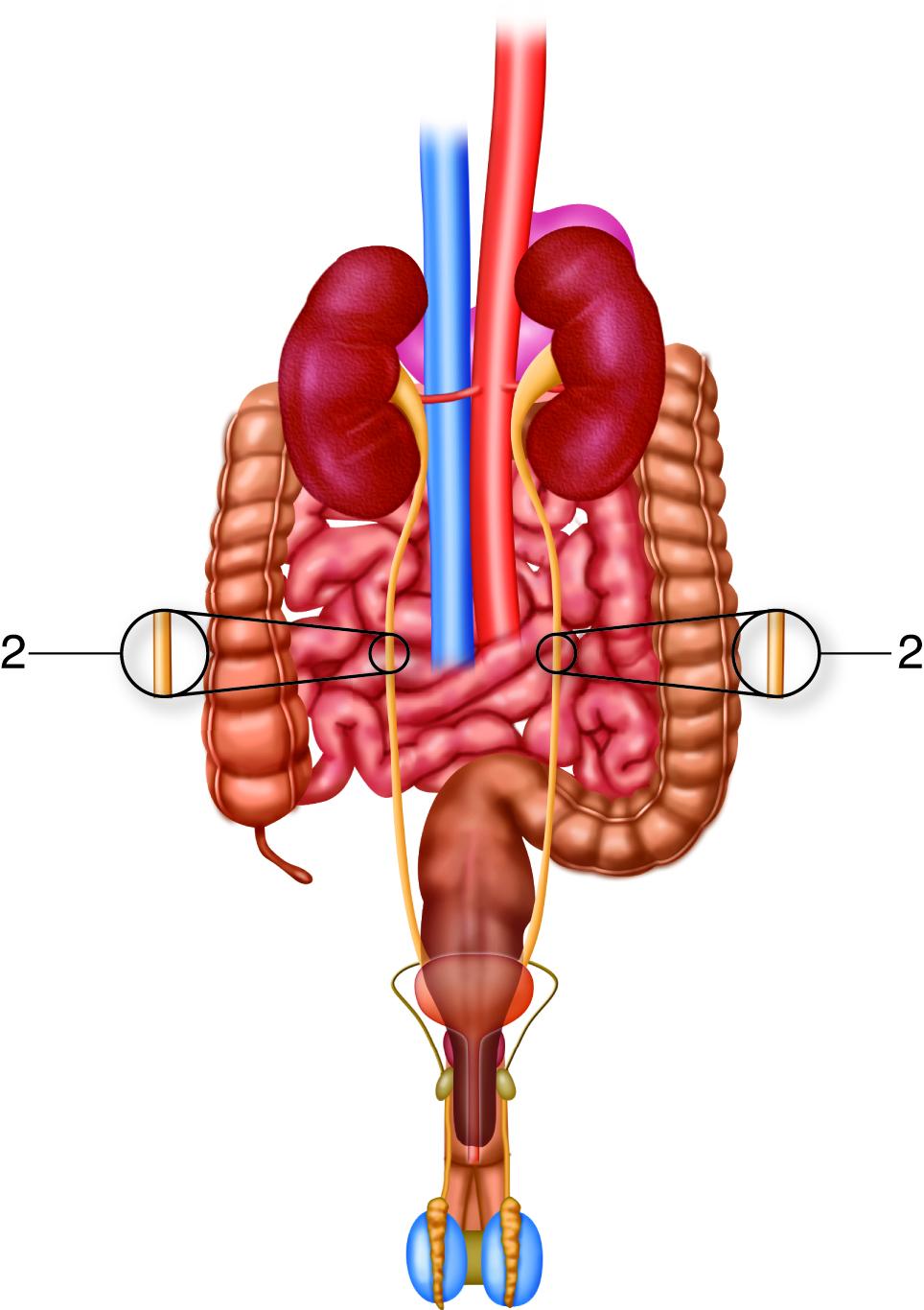
Intriguingly, creatine is derived from three amino acids: glycine, methionine, and arginine. These amino acids are synthesized in the liver, kidneys, and pancreas, and then combined to create creatine. Once formed, creatine is then transported to various tissues throughout the body, including muscles and the brain, where it exerts its positive effects.
But what exactly does creatine do in our bodies? Well, for starters, this compound serves as an energy reservoir. It helps regenerate adenosine triphosphate (ATP), which is the primary source of energy for cellular activities. When we engage in activities that require short bursts of intense effort, such as weightlifting or sprinting, our bodies rely heavily on ATP. By increasing the concentration of creatine in our muscles, we can enhance our ATP production, allowing us to perform at a higher intensity for a longer duration.
In conclusion, while creatine may be commonly associated with workout supplements, it actually exists naturally in our bodies. Its role in energy metabolism and performance enhancement is a fascinating subject that continues to be studied by scientists. Understanding the origins of creatine sheds light on the vital role it plays in our physiology and why it has become such a popular supplement in the fitness world. So, next time you reach for that tub of creatine powder, remember that you’re tapping into the wonders of your own biology.
Enhanced Performance and Muscle Growth: How Creatine Supplementation Works

Understanding the Benefits and Risks: Expert Recommendations for Creatine Usage
The Science Behind Creatine: A Workout Supplement Breakdown
As more and more fitness enthusiasts seek ways to enhance their performance, creatine has emerged as a popular workout supplement. But what exactly is creatine and what benefits and risks does it entail? Let’s dive into the science behind this powerhouse compound.
The Benefits:
- Increased muscle strength and power.
- Improved athletic performance, especially in high-intensity, short-duration activities.
- Enhanced muscle recovery and reduced muscle damage after intense workouts.
- Increased muscle mass and size.
- Boosted brain function and memory.
The Risks:
- Possible water retention, causing temporary weight gain.
- Potential gastrointestinal discomfort, including bloating and diarrhea, especially when taken in high doses.
- Individual variations in response, with some people benefiting greatly while others show minimal results.
- Possibility of increased risk for kidney and liver problems, although no conclusive evidence has been found.
| Creatine Type | Dosage | Optimal Time* |
|---|---|---|
| Micronized Creatine Monohydrate | 5 grams/day | Post-workout or any time of the day |
| Kre-Alkalyn | 1.5-3 grams/day | Any time of the day |
| CON-CRĒT | 750-1500 mg/day | Morning or post-workout |
*Remember, optimal time may vary based on individual preferences and goals.

Unveiling the Latest Research: Promising Findings on Creatine Supplementation
Creatine supplementation has long been a hot topic among fitness enthusiasts and athletes alike. In the quest for improved performance, researchers have continuously delved into the science behind this workout supplement. Excitingly, the latest research has uncovered promising findings that shed light on the benefits of creatine supplementation.
One of the key discoveries revolves around the enhanced cognitive function associated with creatine. Studies have shown that the use of creatine supplements can improve memory and attention span, making it a potential game-changer for those seeking mental focus during workouts or competitions. Moreover, it has been found that creatine supplementation can enhance muscle strength and power, leading to improved athletic performance. Whether you’re a weightlifter looking to break through plateaus or a soccer player striving for that explosive kick, creatine supplementation may just be the boost you’ve been searching for.
Intriguingly, recent research has also explored the potential benefits of creatine supplementation beyond the realm of sports performance. Preliminary studies suggest that creatine may have a positive impact on conditions such as Parkinson’s disease, depression, and even aging-related decline in muscle mass. While further research is needed to fully understand the extent of these benefits, the implications are undeniably fascinating.
In conclusion, the latest research on creatine supplementation has illuminated its potential to improve cognitive function, enhance athletic performance, and extend its benefits to a wider range of health conditions. As the scientific community continues to unravel the mysteries surrounding this workout supplement, it becomes increasingly clear that creatine is not just a temporary trend but a valuable tool in harnessing our physical and mental prowess. So, whether you’re an athlete searching for that competitive edge or an individual looking to optimize your well-being, it’s worth exploring the science behind creatine and considering its incorporation into your regimen.
To Wrap It Up
As we peel back the layers of scientific research, it becomes clear that creatine is not just your average workout supplement. It is a mysterious force that emerges from the depths of our muscles, poised to enhance our athletic performance like never before. The world of fitness becomes a canvas, where creativity and science intertwine, painting a masterpiece of strength and endurance.
In this article, we delved deep into the science behind creatine, unraveling its enigmatic properties and shedding light on its true potential. We discovered how this mystical compound, naturally produced in our bodies, unleashes a torrent of energy when harnessed correctly. Through detailed analysis and groundbreaking studies, we discovered the secrets that lie within this acclaimed supplement.
From the microscopic realm of our cells to the grand stage of gymnasiums, creatine showcases its remarkable effects. It taps into the reservoirs of our muscles, empowering us to push beyond our limits, and defy the barriers that once hindered our progress. Its binding with ATP, the fuel of our bodies, conceives a perfect partnership, unleashing an explosive force that fuels our endeavors.
But let us not forget that science alone cannot fully encapsulate the wonders of creatine. It is in the realm of perspiration and dedication that true artistry takes shape. Creatine is not a magic potion, but rather a catalyst for our unwavering commitment to fitness. It is a reminder that progress is forged through discipline and perseverance, where science and art align seamlessly.
So as you embark on your fitness journey, armed with the knowledge of the science behind creatine, remember to embrace the fusion of the rational and the creative. Push your limits, test the boundaries, and allow the science to elevate your love for the art of physical exertion. For in this realm of endless possibilities, where biology meets inspiration, you will find that the science behind creatine is just the beginning of an extraordinary adventure.