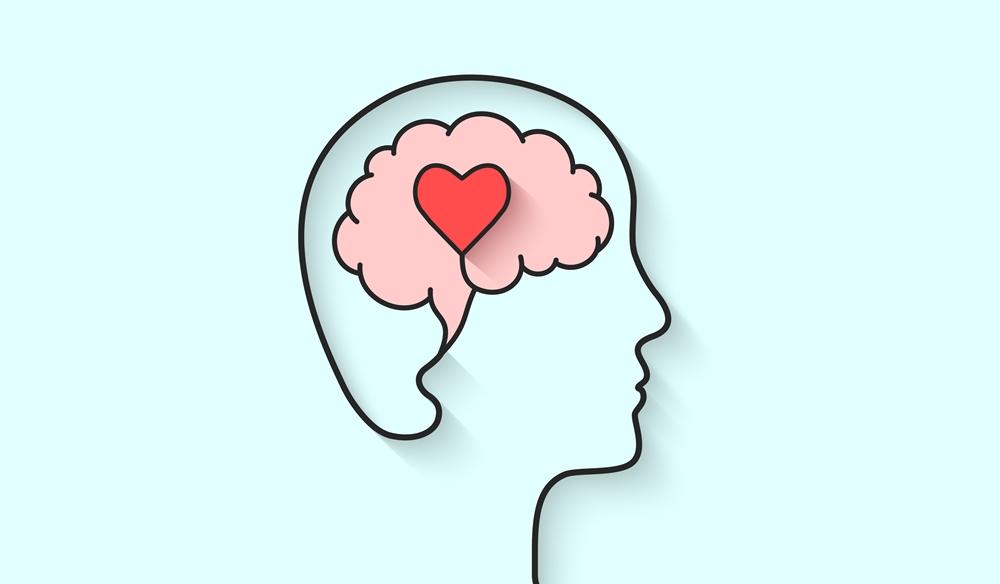
In the vast canvas of life, where the brushstrokes span across a spectrum of emotions and experiences, there lies an untrodden path, unexplored and often disregarded. Echoing through the corridors of masculinity, we find a subject timidly whispered, a complex maze of thoughts and emotions carried by men. Today, we embark on a journey to unravel the intricate tapestry woven at the intersection of mental health and men’s physical wellbeing. Brace yourselves for a compelling exploration that transcends stereotypes, defies conventions, and shines a light on the uncharted territory of men’s emotional landscape. Step into a world where vulnerability meets resilience, unveiling the narratives that lie beneath the surface of stoicism. Together, let us embark on this artistic endeavor, probing deep into the human soul, ultimately appreciating the undeniable truth – that mental health knows no gender boundaries.
Understanding the Stigma Surrounding Men’s Mental Health
Men’s mental health has long been shrouded in stigma, causing many individuals to suffer in silence. This stigma has created a significant barrier for men seeking help and support for their mental wellbeing. The intersection of mental health and men’s physical wellbeing highlights the importance of addressing this issue and breaking down the barriers that prevent men from seeking the help they need.
One of the primary reasons for the stigma surrounding men’s mental health is society’s expectations of masculinity. Men are often expected to be strong, stoic, and capable of handling any situation that comes their way. This societal pressure can make it challenging for men to open up about their struggles, fearing that it may make them appear weak or vulnerable. Additionally, stereotypes and prejudices can further exacerbate this stigma, creating an environment that discourages men from seeking therapy or discussing their mental health concerns.
Addressing the stigma surrounding men’s mental health requires a multi-faceted approach that includes raising awareness about mental health, challenging societal expectations, and providing accessible resources for men to seek support. It is crucial to create safe spaces where men feel comfortable discussing their mental health without judgment or ridicule. Education is also key in debunking myths and misconceptions surrounding mental health, promoting understanding, and encouraging open conversations.
Moreover, healthcare systems need to be more proactive in recognizing and addressing men’s mental health concerns. Incorporating mental health screenings into routine physical check-ups can help identify issues early on and ensure appropriate interventions are in place. Furthermore, healthcare professionals must receive training on how to approach and support men’s mental health, fostering an inclusive and empathetic environment.
Breaking down the stigma surrounding men’s mental health is a collective effort that requires everyone’s participation. Through open dialogue, empathy, and support, we can create a society where men feel comfortable seeking the help they need, ultimately improving their overall well-being and quality of life.

Exploring the Impact of Mental Health on Men’s Physical Wellbeing
Mental health is an often overlooked aspect of men’s overall wellbeing, but its impact on their physical health should not be underestimated. Research has shown that there is a clear connection between mental health and physical wellbeing, with poor mental health leading to a variety of physical symptoms and conditions. One of the ways in which mental health affects men’s physical wellbeing is through the manifestation of stress-related illnesses. When men experience high levels of stress, their bodies release cortisol, the stress hormone, which can weaken the immune system and increase the risk of developing conditions such as heart disease, diabetes, and obesity.
Furthermore, mental health issues can also lead to unhealthy coping mechanisms that have negative effects on the body. For example, men who are struggling with their mental health may turn to substance abuse as a way to self-medicate or escape their problems. This can result in a multitude of physical health problems, including liver damage, respiratory issues, and an increased risk of accidents or injuries. Additionally, individuals with mental health disorders are more likely to engage in unhealthy behaviors such as poor diet and lack of exercise, which can further contribute to physical health complications. It is crucial that we recognize the intersectionality between mental health and men’s physical wellbeing in order to provide comprehensive support and resources for those in need.

Promoting Mental Resilience and Physical Wellbeing in Men
Mental health and physical wellbeing are deeply interconnected, and this connection is especially important to understand when it comes to men. Men often face unique challenges and societal expectations that can impact their mental resilience and overall wellness. By exploring the intersection of mental health and men’s physical wellbeing, we can gain valuable insights into how to promote holistic wellness in this population.
Understanding the Challenges:
- Stigma: Men may face societal pressures to be stoic and “manly,” which can discourage them from seeking help for mental health issues.
- Communication barriers: Society often discourages men from expressing emotions openly, leading to potential bottling up of feelings and a lack of emotional support.
- Work-life balance: Balancing the demands of work, family, and personal life can add stress and strain on mental and physical health.
Empowering Men’s Wellbeing:
- Breaking the silence: Creating safe spaces where men feel comfortable discussing their emotions and seeking help can help break the stigma surrounding mental health.
- Promoting self-care: Encouraging men to prioritize self-care activities, such as exercise, mindfulness, and engaging hobbies, can improve their physical and mental wellbeing.
- Building social connections: Facilitating opportunities for men to build supportive social connections can provide them with the emotional support necessary to navigate mental health challenges.
| Issue | Solution |
|---|---|
| Lack of awareness | Education and campaigns about mental health and wellbeing |
| Access barriers | Improved access to mental health resources and services |
| Unhealthy coping mechanisms | Encouraging healthy coping strategies like therapy and support groups |
In conclusion, prioritizing mental resilience and physical wellbeing in men requires a multifaceted approach that addresses the unique challenges they face. By breaking the stigma, promoting self-care, and building social connections, we can empower men to prioritize their overall wellness and lead fulfilling lives.

Holistic Approaches to Support Men’s Mental and Physical Health
When it comes to men’s health, it’s essential to recognize the interconnectedness of mental and physical well-being. The intersection of these two aspects can significantly impact overall health and happiness. Embracing holistic approaches, which consider the entirety of a person’s well-being, can provide men with the tools they need to achieve optimal mental and physical health.
One powerful approach is the incorporation of mindfulness practices into daily routines. Mindfulness, which involves being fully present and aware of one’s thoughts and feelings, has been shown to reduce stress, enhance self-awareness, and foster a greater sense of overall wellness. Encouraging men to engage in activities such as meditation, yoga, or deep breathing exercises can help them cultivate mental clarity, resilience, and emotional balance. These practices also promote physical health by reducing blood pressure, improving sleep quality, and supporting cardiovascular function.
Benefits of Holistic Approaches for Men’s Health:
- Reduced stress: Holistic approaches like mindfulness can alleviate the negative effects of stress, improving mental and physical well-being.
- Enhanced self-awareness: Practicing mindfulness helps men gain a deeper understanding of their emotions and thought patterns, promoting personal growth.
- Improved relationships: By fostering mindfulness, men can communicate more effectively and develop healthier connections with others.
| Physical Benefits | Mental Benefits |
| Increased energy levels | Reduced anxiety and depressive symptoms |
| Lower blood pressure | Improved focus and concentration |
By recognizing and prioritizing the intersection of mental health and physical well-being, men can adopt holistic approaches that empower them to lead healthier, happier lives. Embracing practices like mindfulness and actively seeking support from healthcare professionals or men’s groups can pave the way for comprehensive growth and overall well-being.
Let’s debunk the misconception that mental health and physical well-being should be addressed separately. Instead, let’s ensure that men are given the tools and resources needed to integrate both aspects harmoniously, promoting a holistic approach to their health.
Key Takeaways
In the labyrinth of life, the intersection of mental health and men’s physical wellbeing emerges as a profound paradox. This intricate web intertwines vulnerabilities and strengths, echoing the whispers of hidden battles fought by countless souls. As we reach the end of this exploration, we tread with measured steps, for we have glimpsed the fragile equilibrium that shapes men’s existence.
In the realm of manhood, society weaves an elaborate tapestry of expectations. It demands stoicism, resilience, and an unyielding armor against vulnerability. Men are often forced to bury their emotions deep within, hidden beneath layers of societal pressure and self-imposed expectations. Yet, beneath this facade, a complex maze of emotions lingers, yearning for release and liberation.
It is within this delicate dance that mental health intertwines with men’s physical wellbeing, revealing an intricate balance as fragile as a spider’s thread. The man who cradles his burden in silence may unknowingly ignite a silent storm within. The burden gnaws at the soul like a relentless predator, tearing at the very fabric of existence. Yet, within a society that often overlooks the struggles hidden beneath clenched fists and steely gazes, the path to healing can seem obscured.
Acknowledging the transcendental connection between mental health and physical wellbeing is an essential step towards unraveling this enigma. For it is at the intersection of these two realms that true synergy can be found. Mental health, when tended to with compassion and understanding, becomes a beacon of hope, transcending the crippling silence, and paving the way for healing.
To claim victory in this battle, we must rewrite the narrative, dismantle the stereotypes, and eradicate the stigma surrounding men’s mental health. We must cultivate a society that fosters open conversations, where voices resonate without fear of judgment or shame. We must empower men to break free from the shackles of societal expectations, enabling them to embrace their emotions, to seek support and solace when needed.
Dear reader, as we bid farewell, let us carry with us a newfound insight into the delicate dance between mental health and men’s physical wellbeing. Let us remember that strength does not lie solely in brute force and resilient muscles but in the gentleness with which we tend to our own minds and hearts. Let us be agents of change and compassion, embracing the understanding that a healthy mind begets a healthy body, and vice versa.
As the sun sets on this exploration, may we embark on a collective journey, where men’s mental wellbeing intertwines seamlessly with physical vitality. Together, let us redefine masculinity, unravel the complexities, and pave a path towards a future where emotional vulnerability is celebrated, empowering men to flourish in mind, body, and soul.