
Unveiling the elixir of youth, collagen supplements have emerged as a buzzworthy remedy in the pursuit of radiant skin and agile joints. With promises of rejuvenation and vitality, these enigmatic pills and powders have amassed a loyal following. But amidst the fervor, it becomes essential to weigh the scales, considering both the shimmering benefits and lurking drawbacks that accompany the use of collagen supplements. In this captivating exploration, we delve into the enigmatic realm of collagen supplements, unraveling their potential boons and potential pitfalls, arming you with the knowledge to uncover the truth behind this ever-evolving beauty secret. Welcome to an adventure into the world of collagen – where youth and vitality intermingle, and the quest for radiant skin and agile joints begins.
Benefits of Collagen Supplements for Skin and Joints
Collagen supplements have gained popularity in recent years as a potential solution for improving the health and appearance of skin and joints. These supplements are derived from animal sources and contain a high concentration of collagen, a protein that makes up a significant portion of our skin and connective tissues.
One of the main benefits of collagen supplements is their potential to improve skin elasticity and hydration. As we age, our body’s natural collagen production decreases, which can lead to the formation of fine lines, wrinkles, and sagging skin. By taking collagen supplements, we can replenish the collagen levels in our body and potentially see improvements in the firmness and overall texture of our skin.
Moreover, collagen is also essential for joint health. It provides the structural support needed for smooth joint movement and prevents the breakdown of cartilage. Taking collagen supplements may help reduce joint pain and inflammation, making it a potential option for individuals suffering from conditions such as osteoarthritis.
While the benefits of collagen supplements are significant, it’s important to consider the potential drawbacks as well. Some individuals may experience digestive issues, such as bloating or diarrhea, when taking collagen supplements. Additionally, collagen supplements are mainly sourced from animal products, which may not be suitable for individuals following a vegetarian or vegan lifestyle.
In conclusion, collagen supplements offer potential benefits for skin and joint health. They can help improve skin elasticity, hydration, and joint function. However, it’s crucial to weigh the potential drawbacks and consider individual dietary preferences before incorporating collagen supplements into your routine.

Potential Drawbacks and Side Effects of Collagen Supplements
While collagen supplements may offer numerous benefits for the skin and joints, there are also potential drawbacks and side effects to consider:
- Allergic reactions: Some individuals may have an allergic reaction to collagen supplements, which can manifest as itching, swelling, or difficulty breathing. It’s important to consult with a healthcare professional before taking collagen supplements if you have known allergies.
- Digestive issues: Collagen supplements are derived from animal sources such as cow or fish, and some individuals may experience digestive discomfort, such as bloating, gas, or diarrhea. Choosing a high-quality collagen supplement and taking it with food may help minimize these issues.
- Interactions with medications: Collagen supplements can interact with certain medications, including blood thinners and some supplements. It’s crucial to inform your healthcare provider about any supplements you’re taking to avoid potential interactions.
Additionally, it’s important to note that collagen supplements are not a miracle cure and may not work for everyone. Results can vary based on individual factors such as age, overall health, and lifestyle habits. It’s always best to consult a healthcare professional before starting any new supplement regimen to ensure it’s safe and suitable for your specific needs.
Understanding the Science behind Collagen Supplementation
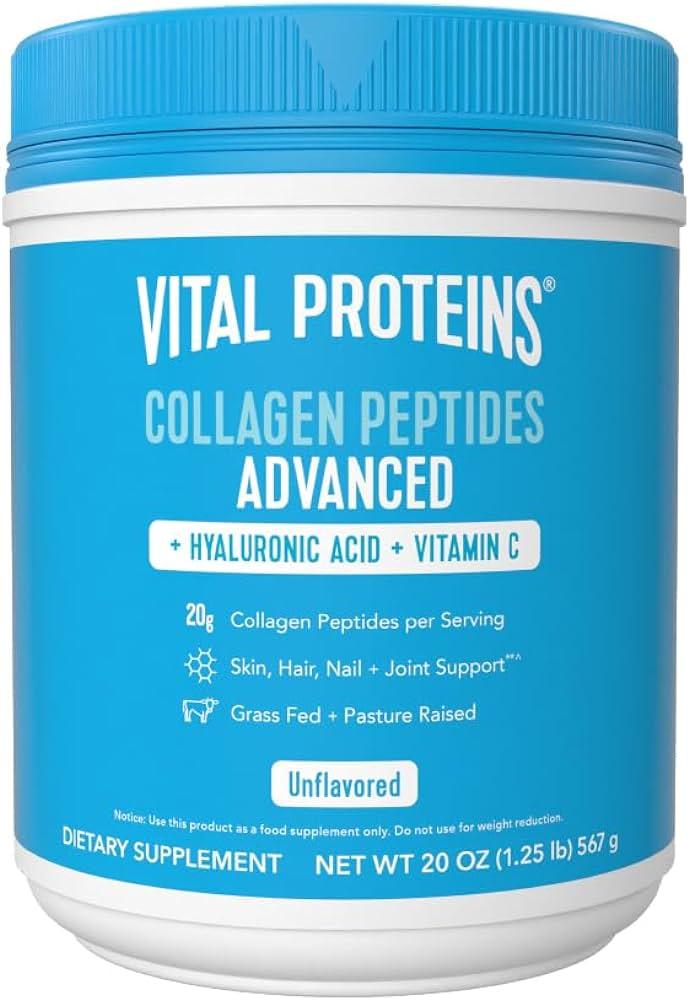
Collagen supplements have become increasingly popular in recent years for their potential benefits in promoting healthy skin and joints. These supplements typically come in the form of powders, capsules, or topical creams, and are often marketed as a way to boost collagen production and improve overall skin elasticity and joint mobility.
One of the main benefits of collagen supplementation is its potential to improve skin health. Collagen is a protein that makes up a significant portion of our skin, providing it with structure and strength. As we age, our natural collagen production declines, leading to the development of wrinkles and fine lines. Taking collagen supplements can help replenish these levels, resulting in smoother, more youthful-looking skin. Additionally, some studies have shown that collagen supplementation can also help improve joint health by reducing inflammation and improving cartilage formation.

Expert Recommendations for Optimal Use of Collagen Supplements
The Benefits and Drawbacks of Collagen Supplements for Skin and Joints
Collagen supplements have gained popularity in recent years due to their potential benefits for skin and joint health. While these supplements can be beneficial, it is important to understand how to use them effectively for optimal results. Here are some expert recommendations to consider:
1. Choose the Right Type of Collagen:
Collagen supplements come in different types, such as Type I, Type II, and Type III, each having specific benefits for different areas of the body. For skin and joint health, Type I collagen is often recommended. Consult with a healthcare professional or a specialist to determine the right type of collagen supplement that suits your specific needs.
2. Consider Bioavailability:
When selecting collagen supplements, pay attention to the bioavailability of the product. Bioavailability refers to the amount of collagen that can be effectively absorbed by the body. Look for supplements that have undergone processes to enhance their bioavailability, such as being hydrolyzed or formulated with specific ingredients that aid absorption.
3. Follow Recommended Dosages:
It is crucial to follow the recommended dosages provided by the manufacturer or healthcare professional. Taking excessive amounts of collagen supplements may not provide additional benefits and could potentially lead to adverse effects. By following the recommended dosages, you can ensure you are getting the right amount of collagen to support your skin and joint health.
4. Include Vitamin C and Hydration:
Vitamin C plays a vital role in collagen synthesis, so it is beneficial to consume foods rich in this vitamin or consider taking a vitamin C supplement alongside collagen supplements. Additionally, staying hydrated supports overall skin health and helps collagen molecules function effectively. Remember to drink enough water throughout the day to optimize the benefits of collagen supplementation.
5. Understand Potential Drawbacks:
While collagen supplements offer potential benefits, it is important to be aware of any potential drawbacks. Some individuals may experience mild digestive issues, such as bloating or an upset stomach. Additionally, collagen supplements are not a magic solution and may take time to show noticeable results. Patience and consistency are key when using collagen supplements for skin and joint health.
| Pros |
|
|---|---|
| Cons |
|
By following these expert recommendations, you can make the most out of collagen supplements for your skin and joint health. Remember to consult with a healthcare professional or a specialist to ensure collagen supplementation is suitable for your individual needs and goals.
Insights and Conclusions
In the realm of skin and joint health, the quest for the perfect elixir is an eternal one. Amidst the cacophony of remedies, collagen supplements have emerged as an intriguing contender. With their promise to rejuvenate both skin and joints, these supplements have garnered considerable attention. Nevertheless, it is imperative to weigh the scales and explore both the benefits and drawbacks they bring.
On one hand, collagen supplements boast an array of potential advantages. Their role in improving skin elasticity and combating the signs of aging is widely acknowledged. These supplements may help restore the youthful plumpness to our skin, giving it a smooth and radiant appearance. Additionally, collagen’s potential to support joint health and alleviate discomfort has piqued the interest of many individuals seeking relief from the incessant ache that life sometimes bestows upon us.
However, it would be remiss not to explore the drawbacks that accompany collagen supplements. While research on their effectiveness is ongoing, some studies have yielded inconclusive results. Furthermore, the market is flooded with a plethora of collagen products, making it challenging to discern which ones are truly effective. Additionally, collagen supplements may not be suitable for everyone, especially for individuals with certain medical conditions or allergies. It is crucial to consult healthcare professionals before plunging headlong into the realm of collagen supplementation.
In conclusion, collagen supplements tread a fine line between promise and skepticism. Their potential benefits for the skin and joints cannot be easily dismissed, yet it is vital to approach them judiciously. With patience and prudence, one can navigate the capital of collagen wonders and choose the supplements that best suit their individual needs. As with any health pursuit, striving for balance, informed decisions, and a synchrony between science and nature will undoubtedly unlock the true potential of collagen supplementation.