
In a world filled with buzzing trends and fads, there lies a quiet hero, Selenium, the unsung savior of our bodies. Nestled deep within the realms of antioxidants, this unassuming mineral silently works its magic, especially when it comes to our thyroid function. While its name may not be as familiar as other renowned minerals, Selenium’s vital role in our bodies is something that cannot be overlooked. So, join us on an enlightening journey as we uncover the secrets of this antioxidant marvel and explore how it influences our thyroid health. From the intricate workings within our bodies to the remarkable benefits it provides, our rendezvous with Selenium promises to be nothing short of extraordinary. So, fasten your seatbelts, dear readers, because we are about to embark on a thrilling voyage into the realm of Selenium and its indispensable relationship with our thyroid function.
Introduction: Understanding Selenium - An Essential Antioxidant Mineral for Thyroid Health
Selenium, a crucial antioxidant mineral, plays a significant role in maintaining optimal thyroid health. As a key component of thyroid hormones, selenium acts as a natural protector against oxidative stress, ensuring the smooth functioning of the thyroid gland. This powerful mineral aids in the conversion of the inactive thyroid hormone, T4, into the active form, T3, which is essential for maintaining a healthy metabolism and energy levels. Without adequate selenium levels, the thyroid gland may struggle to produce enough thyroid hormones, leading to a cascade of health issues such as fatigue, weight gain, and mood disturbances.
The importance of selenium extends beyond its role in thyroid function. It acts as a potent antioxidant, combating the harmful effects of free radicals in the body. By neutralizing these free radicals, selenium helps prevent oxidative damage to cells and tissues, reducing the risk of chronic diseases such as cancer, heart disease, and cognitive decline. Moreover, selenium enhances the immune system, bolstering its defense against infections and promoting overall well-being. Although selenium can be obtained through a well-balanced diet that includes brazil nuts, seafood, and organ meats, supplementation may be necessary for individuals with certain medical conditions or those living in areas with selenium-deficient soil. It is important to note that while selenium is vital for thyroid health, excessive intake can have adverse effects, so it is crucial to consult with a healthcare professional to determine appropriate selenium levels for optimal health.
The Importance of Selenium in Maintaining Optimal Thyroid Function
Selenium, an essential trace mineral, plays a crucial role in maintaining optimal thyroid function. With its potent antioxidant properties, selenium acts as a defender against harmful free radicals and helps protect the thyroid gland from oxidative stress. Let’s explore the importance of selenium in preserving thyroid health and the mechanisms through which it supports optimal thyroid function.
Selenium Deficiency and Thyroid Health
Selenium deficiency has been linked to various thyroid disorders, including hypothyroidism and autoimmune thyroid diseases such as Hashimoto’s thyroiditis and Graves’ disease. The thyroid gland relies on selenium to produce, activate, and convert thyroid hormones into their active form. Without sufficient selenium levels, the thyroid’s ability to synthesize these hormones is compromised, leading to disruptions in metabolic processes and potential imbalances in the body.
Adequate selenium intake not only supports the overall health of the thyroid gland but also helps regulate thyroid hormone levels, ensuring proper metabolism, growth, and development. Selenium’s role as a powerful antioxidant further aids in reducing inflammation within the thyroid, protecting it from oxidative damage and potential dysfunction.
Thyroid Hormone Conversion and Selenium
One of selenium’s critical roles in thyroid function is its involvement in the conversion of the inactive form of thyroid hormone (T4) to its active form (T3). This conversion takes place primarily in the liver and other tissues throughout the body. Without selenium, the production of T3 decreases, leading to a buildup of inactive T4 and the potential development of hypothyroidism symptoms.
Selenium also supports the proper functioning of the enzymes involved in thyroid hormone synthesis, particularly the enzyme thyroperoxidase (TPO). TPO plays a crucial role in the production of thyroid hormones by facilitating the iodination of thyroglobulin. Selenium’s presence ensures the proper activity of TPO, preventing thyroid hormone imbalances and promoting optimal thyroid function.
Selenium-Rich Foods to Support Thyroid Health
Incorporating selenium-rich foods into your diet is an excellent way to support thyroid health and maintain selenium levels within the body. Some of the top selenium-rich foods include:
- Brazil nuts: Just one brazil nut provides a significant amount of selenium.
- Seafood: Fish, especially tuna, shrimp, and salmon, are excellent sources of selenium.
- Meat and poultry: Beef, chicken, and turkey are all good sources of selenium.
- Eggs: Whole eggs, particularly the yolks, contain selenium.
While selenium is crucial for thyroid health, it’s important to maintain a balanced intake. Excessive selenium consumption can have adverse effects, so it’s recommended to consult with a healthcare professional to determine your selenium needs and ensure optimal thyroid function.
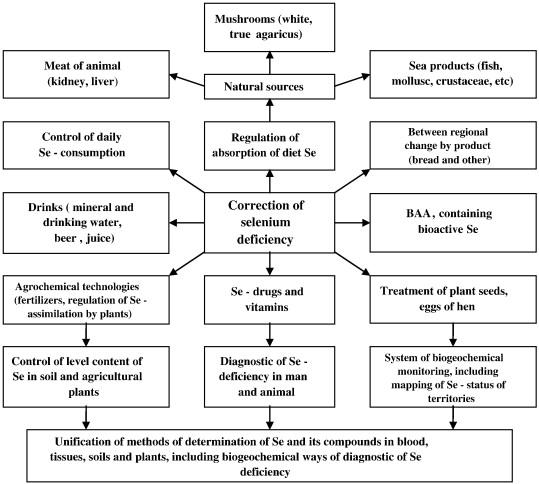
Selenium Deficiency: Causes, Symptoms, and Implications for Thyroid Health
Selenium, a powerful antioxidant mineral, plays a crucial role in maintaining optimal thyroid function. Its impact on thyroid health cannot be overstated. Selenium deficiency can lead to a host of problems, ranging from mild symptoms to severe complications.
- Causes of Selenium Deficiency:
- Limited dietary intake: Selenium is naturally found in certain foods such as Brazil nuts, seafood, and organ meats. If your diet lacks these selenium-rich foods, you may experience a deficiency.
- Soil depletion: Agricultural practices and soil erosion can deplete selenium levels in the soil. This can impact the selenium content of crops and ultimately lead to a deficiency in individuals consuming these crops.
- Malabsorption issues: Certain gastrointestinal conditions, such as Crohn’s disease, can impair the body’s ability to absorb selenium from food, resulting in a deficiency.
- Common Symptoms of Selenium Deficiency:
- Fatigue
- Mood swings
- Weak immune system
- Hair loss
- Joint pain
- Thyroid dysfunction
Selenium deficiency can have serious implications for thyroid health. The thyroid gland relies on selenium to convert the inactive thyroid hormone (T4) into its active form (T3). Without sufficient selenium, this conversion process is hindered, leading to imbalances in thyroid hormones and potential thyroid dysfunction.
| Implications for Thyroid Health | Details |
|---|---|
| Inadequate thyroid hormone production | Selenium deficiency can impair the thyroid’s ability to produce an adequate amount of thyroid hormones, leading to hypothyroidism. |
| Increased risk of autoimmune thyroid disease | Selenium has been shown to protect against autoimmune thyroid diseases, such as Hashimoto’s thyroiditis and Graves’ disease. A deficiency in selenium may increase the risk of developing these conditions. |
| Reduced antioxidant defense | Selenium acts as a powerful antioxidant, protecting the thyroid gland from oxidative stress. A deficiency in selenium can compromise the thyroid’s ability to defend against free radicals and oxidative damage. |

Boosting Selenium Levels: Dietary Sources and Recommendations
Selenium, a powerful antioxidant mineral, plays a significant role in maintaining optimal thyroid function. From boosting metabolism to supporting immune function, selenium acts as a crucial player in various bodily processes. To ensure you’re getting enough of this essential mineral, incorporate these dietary sources and follow our recommendations for selenium consumption:
- Eat seafood such as tuna, oysters, and shrimp, known for their high selenium content. Seafood not only provides selenium but also offers an excellent source of protein and omega-3 fatty acids.
- Include Brazil nuts in your diet, as they are one of the richest sources of selenium. Just a few nuts a day can meet your recommended daily intake.
- Enjoy whole grains like brown rice and oats, which not only provide fiber but also contribute to your selenium intake.
- Opt for lean meats like chicken and turkey, which contain selenium along with high-quality protein.
- Indulge in dairy products like milk, yogurt, and cheese, which are not only rich in selenium but also offer essential nutrients like calcium and vitamin D.
When it comes to selenium consumption, it is important to strike a balance. While selenium is essential, excessive intake can be harmful. The recommended daily intake of selenium for adults is around 55 micrograms. However, it is essential to note that individual requirements may vary based on age, gender, and overall health conditions. Always consult with a healthcare professional or a registered dietitian to determine the ideal selenium intake for your unique needs.
To Wrap It Up
In conclusion, Selenium – the hidden superhero of minerals – has emerged as a crucial component in maintaining optimal thyroid health. With its remarkable antioxidant properties, this unassuming mineral is capable of safeguarding our body against the perils of oxidative stress, preserving the delicate balance of our thyroid function. The bond between selenium and our thyroid goes far beyond the realms of a mere nutrient. It’s a symbiotic relationship, where selenium acts as the steadfast defender of our thyroid’s well-being, ensuring its smooth operation.
By fortifying the enzymatic processes involved in thyroid hormone synthesis, selenium plays a pivotal role in regulating our metabolism, energy levels, and even mood. Like an expert conductor, it orchestrates the intricate dance of hormone production and conversion, allowing our bodies to function at their optimal level. And let’s not forget the important role it plays in thyroid autoimmunity, where selenium proves to be a formidable ally in minimizing thyroid-specific antibody production, thus reducing the risk of autoimmune thyroid disorders.
In this world of increasing environmental pollutants and dietary imbalances, selenium enters the stage as a knight in shining armor, armed with its antioxidant shield. By neutralizing the harmful effects of oxidative stress, selenium ensures that our thyroid gland remains unscathed, preventing the onset of thyroid diseases such as goiter, hypothyroidism, and Hashimoto’s thyroiditis.
But remember, dear reader, as with any mineral or nutrient, the key lies in striking the perfect balance. While selenium is an integral part of our thyroid’s support system, it is essential to approach its supplementation with caution. Seek the advice of a healthcare professional, undergo thorough testing, and tailor your selenium intake to meet your specific needs.
So, as we take our final bow, it is imperative to acknowledge the substantial role selenium plays in maintaining the symphony of our thyroid function. Let us salute this unsung hero of minerals that silently shields our essential counterpart, the thyroid gland. Embrace the antioxidant powers of selenium, and together, let us pave the pathway to optimal thyroid health.