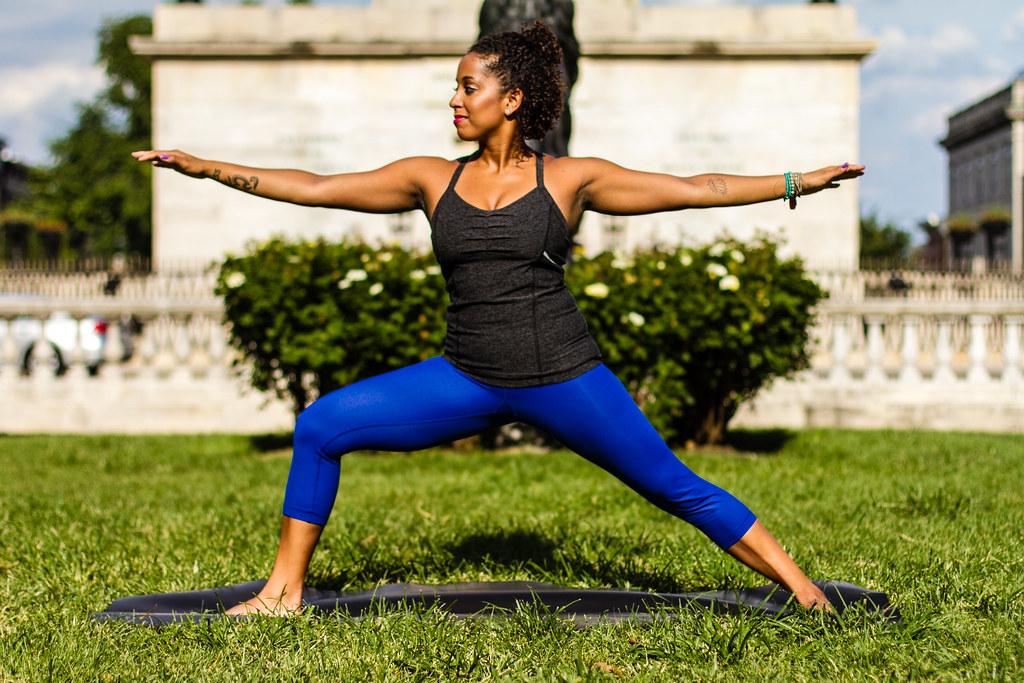
In a world brimming with hustle and bustle, finding peace within ourselves feels like a long-lost treasure buried beneath an endless pile of worries and responsibilities. Yet, hidden in the very essence of our being lies a path that leads to profound serenity and contentment. Welcome, dear reader, to a mystical expedition towards the sacred art of yoga philosophy – a map to navigate the depths of your soul and unlock the gateway to inner peace. Whether you are a wide-eyed wanderer embarking on your first steps or a seasoned traveler seeking to dive deeper into the secrets of existence, this beginner’s guide will unravel the ancient wisdom of yoga, bringing solace to your mind and harmony to your spirit. Prepare to embark on a transformative odyssey, breathing in tranquility and exhaling anything that no longer serves your soul. With each new insight and gentle stretch, together we shall embark upon this extraordinary journey towards inner peace.
Introduction to Yoga Philosophy: Understanding the Foundations of Inner Peace
Are you feeling stressed, overwhelmed, or disconnected from yourself and those around you? Then it’s time to embark on a transformative journey towards inner peace through the ancient wisdom of yoga philosophy. In this beginner’s guide, we will explore the foundations of yoga philosophy and how they can bring about a profound sense of peace and tranquility in your life.
Yoga philosophy encompasses much more than just physical postures and stretching. It is a holistic approach that combines physical movement, breath control, meditation, and ethical principles to cultivate a sense of inner harmony. Through understanding the core principles of yoga philosophy, you will not only find peace within yourself but also develop a deep connection with the world around you.
The Eight Limbs of Yoga
At the heart of yoga philosophy lies the concept of the Eight Limbs of Yoga, also known as Ashtanga. These limbs serve as a guide for living a meaningful and balanced life, providing a roadmap to inner peace. Let’s explore each limb briefly:
- Yama: These are ethical principles that guide our behavior towards others and include non-violence, truthfulness, and moderation.
- Niyama: These refer to personal observances and self-discipline, such as cleanliness, contentment, and self-study.
- Asana: This limb is what most people associate with yoga – the physical postures that promote strength, flexibility, and a steady mind.
- Pranayama: The practice of controlling and regulating the breath to balance the vital life force energy within us.
| Limb | Description |
|---|---|
| Dharana | The state of concentration, focusing the mind on a single point or object. |
| Dhyana | Meditation or sustained focus, allowing the mind to find inner stillness and clarity. |
| Samadhi | Ultimate state of enlightenment and union with the divine, where the ego dissolves, and pure consciousness remains. |
By exploring and integrating these eight limbs into your life, you will lay a solid foundation for inner peace, self-realization, and personal growth. Yoga philosophy is a lifelong journey, and even as a beginner, you can start reaping the benefits of this ancient wisdom right now. Let’s embark on this transformative path together and discover the power within ourselves to cultivate lasting inner peace.
Exploring the Eight Limbs of Yoga: A Holistic Approach to Attain Tranquility
Yoga philosophy is a transformative journey that goes far beyond the physical practice. It is a holistic approach to attaining tranquility and finding inner peace. Exploring the eight limbs of yoga opens up a world of wisdom and ancient teachings that can guide us towards a more balanced and fulfilling life.
The eight limbs, also known as Ashtanga, provide a roadmap to self-discovery and personal growth. Each limb represents a different aspect of the yogic path, offering valuable insights and practices that can be incorporated into our daily lives. Here is a brief overview of these limbs:
-
Yama: This limb focuses on moral and ethical principles, guiding us to cultivate compassion, honesty, and integrity in our interactions with others.
-
Niyama: Niyama encourages self-discipline and self-care. It includes practices such as cleanliness, contentment, and self-reflection, allowing us to create a harmonious inner environment.
-
Asana: Asana refers to the physical postures practiced in yoga. Aside from enhancing strength and flexibility, asanas are also a gateway to mindfulness and deep connection with the body.
-
Pranayama: Pranayama revolves around breath control and regulation. By harnessing the power of the breath, we facilitate the flow of vital life force energy, leading to increased vitality and a calm mind.
-
Pratyahara: This limb focuses on withdrawal of the senses, allowing us to cultivate a sense of inner stillness amidst external distractions. It provides a foundation for meditation and self-awareness.
-
Dharana: Dharana is the practice of concentration. By training the mind to focus on a single point, we develop mental clarity and the ability to quieten the chattering of our thoughts.
-
Dhyana: Dhyana takes meditation a step further, allowing us to merge and dissolve into a state of pure awareness. It is a practice of being fully present in the moment and cultivating a deep sense of connection with the divine.
-
Samadhi: The final limb, Samadhi, represents the ultimate goal of yoga – a state of complete bliss and union with the universal consciousness. It is a state of transcendence where individual identity merges with the infinite.
Embarking on the journey to inner peace through the eight limbs of yoga is a profound and enriching experience. It offers a holistic approach to personal growth, helping us nurture our bodies, minds, and spirits. As we delve deeper into the practices and teachings of yoga philosophy, we open ourselves up to a world of wisdom and self-discovery, ultimately leading us towards a more tranquil and fulfilling life.
Unleashing the Power of Meditation: Techniques for Cultivating Inner Stillness
Meditation has been practiced for centuries as a means to cultivate inner stillness and find peace within. It allows individuals to tap into their inner wisdom and connect with a deeper sense of self. In this post, we will explore various techniques to unleash the power of meditation and embark on a transformative journey towards inner peace.
- Mindfulness Meditation: This technique involves focusing on the present moment, observing thoughts and sensations without judgment. By becoming aware of our thoughts and acknowledging them without getting caught up in them, we can cultivate a sense of inner calm and clarity.
- Guided Visualization: Guided visualization techniques involve creating vivid mental images or scenarios to evoke specific emotions or desired outcomes. By immersing ourselves in these visualizations, we can harness the power of our imagination to change our mindset and manifest positive changes in our lives.
- Mantra Meditation: Mantras are sacred sounds, words, or phrases that are repeated silently or aloud during meditation. They can help to focus the mind and bring about a deep sense of relaxation. By choosing a mantra that resonates with us and repeating it during our practice, we can experience a profound sense of peace and stillness.
By incorporating these techniques into our daily routine, we can gradually cultivate inner stillness and embark on a journey towards inner peace. Remember, the practice of meditation is a personal journey, and it may take time to find the techniques that resonate with us the most. With patience and dedication, we can unleash the power of meditation and experience the transformative benefits it offers.

Applying Yogic Principles to Daily Life: Practical Tips for Nurturing Inner Harmony
Journey to Inner Peace: A Beginner’s Guide to Yoga Philosophy
Yoga philosophy offers valuable principles that can be applied to our daily lives, helping us foster inner harmony and find peace amidst the chaos. By embracing these principles and incorporating them into our routines, we can gradually transform our outlook, leading to a more balanced and fulfilling existence. Here are some practical tips that beginners can follow to nurture their inner harmony using yogic principles:
- Practice Mindfulness: Start each day with a few minutes of focused mindfulness. Sit quietly, close your eyes, and bring your attention to your breath. Notice the sensation of the breath as it enters and leaves your body. Allow thoughts to come and go without judgment, gently guiding your attention back to the breath whenever it wanders. This practice will help cultivate present-moment awareness and enhance your ability to stay centered throughout the day.
- Cultivate Gratitude: Take a moment each day to reflect on the things you are grateful for. This could be as simple as appreciating a warm cup of tea or the smile of a loved one. By acknowledging the blessings in your life, you shift your focus from what is lacking to what is abundant, fostering a sense of contentment and inner peace.
By incorporating these practical tips into your daily routine, you can gradually infuse your life with the wisdom of yoga philosophy and experience the transformative power of inner harmony.
The Way Forward
As we gently float towards the end of our journey to inner peace, it is with a serene and content heart that we bid farewell. We have embarked upon a path that winds through the intricacies of yoga philosophy, discovering profound insights and timeless wisdom along the way. Through the art of self-reflection and introspection, we have begun to unravel the tapestry of our own existence, forging a deeper connection with ourselves and the world around us.
In this enlightening expedition, we have explored the intricate threads that weave together the philosophy of yoga. From the Yamas and Niyamas, guiding principles that govern our actions and behaviors, to the exploration of Pranayama, the rhythmic dance of breath and life force energy. We ventured into the depths of Asana, immersing ourselves in the physical practice that unites body, mind, and spirit, and delved into the profound meditative states of Dharana and Dhyana.
Beyond the tranquil bliss of yoga asanas and breath control, we have uncovered the profound teachings of yoga philosophy that stretch back centuries. The Bhagavad Gita, a sacred text that offers guidance on navigating the challenges of life, and the Yoga Sutras of Patanjali, a timeless manual on the path to self-realization, have illuminated our path towards inner harmony.
But as this chapter comes to a close, remember that the journey towards inner peace is not measured in milestones or accomplishments, but in the gentle unfolding of self-awareness and acceptance. Embrace this newfound understanding with an open heart and an open mind, allowing it to guide your every step along life’s magnificent tapestry.
As we return to the busyness of our lives, let us carry this sense of tranquility and self-awareness with us, weaving it into every moment and nurturing it like a tender sapling. The principles of yoga philosophy are not confined to a mat or a studio, but gracefully permeate every aspect of our existence.
May the lessons learned, the connections made, and the growth achieved on this beautiful journey become an integral part of our ongoing quest for inner peace. And as we venture forth, may we continue to explore the wisdom of yoga philosophy with curiosity, gratitude, and an unwavering commitment to self-discovery and self-care.
In this vast universe of endless potential, may our paths cross once again on the expansive canvas of the human experience. Until then, dear seeker, be the embodiment of peace and light in a world yearning for harmony.
Namaste.