Once upon a time, in a land known as Nutritionville, where wisdom and wellness went hand in hand, a group of distinguished seniors embarked on a remarkable journey to unlock the secret to longevity and vitality. As the years gracefully etched lines of experience on their faces, these spirited individuals sought an elixir to preserve their zest for life. Little did they know that the key to this cherished elixir lay within the realms of healthy eating – a phenomenon that would transform their lives forever.
In this article, we unravel the mysteries of healthy eating for seniors, and specifically explore the art of managing portions and nutrient density. While the concept of eating well is not alien to our seasoned adventurers, the path to optimal nutrition isn’t always crystal clear. Together, we will navigate the intricate maze of portion control and nutrient-rich choices, arming ourselves with the knowledge to make wise decisions and savor the flavors of golden years to the fullest.
Join us as we delve into the captivating world of healthy eating and discover how our beloved seniors can reclaim their health and vitality through mindful nourishment. Fasten your seatbelts as we embark on this delightful journey, ignited by the age-old wisdom and powered by the majestic wonders of science, all in the pursuit of writing a new chapter of wellness for our esteemed seniors. Welcome to a world where health and taste fuse harmoniously, and the art of eating becomes a masterpiece painted in vibrant strokes of longevity.
Healthy Eating for Seniors: Managing Portions and Nutrient Density
Managing Portions
As we age, it becomes increasingly important to manage our portions to ensure we are getting the right amount of nutrients without overeating. One effective strategy for portion control is using smaller plates and bowls. By opting for a smaller dish, we naturally reduce the amount of food we consume, making it easier to maintain a healthy weight. Additionally, it’s essential to listen to our body’s cues of hunger and fullness. Instead of eating until we feel completely stuffed, aim to stop eating when you’re comfortably satisfied. This mindful approach can help prevent overeating and promote healthy digestion.
Another helpful tip is to plan meals in advance and pre-portion them into individual servings. This not only saves time but also prevents overeating. You can use portion control containers or divide your plate into specific food groups to ensure a balanced meal that is rich in nutrients. Don’t forget to include a variety of colorful fruits and vegetables, lean proteins, whole grains, and healthy fats in your portioned meals.
Nutrient Density
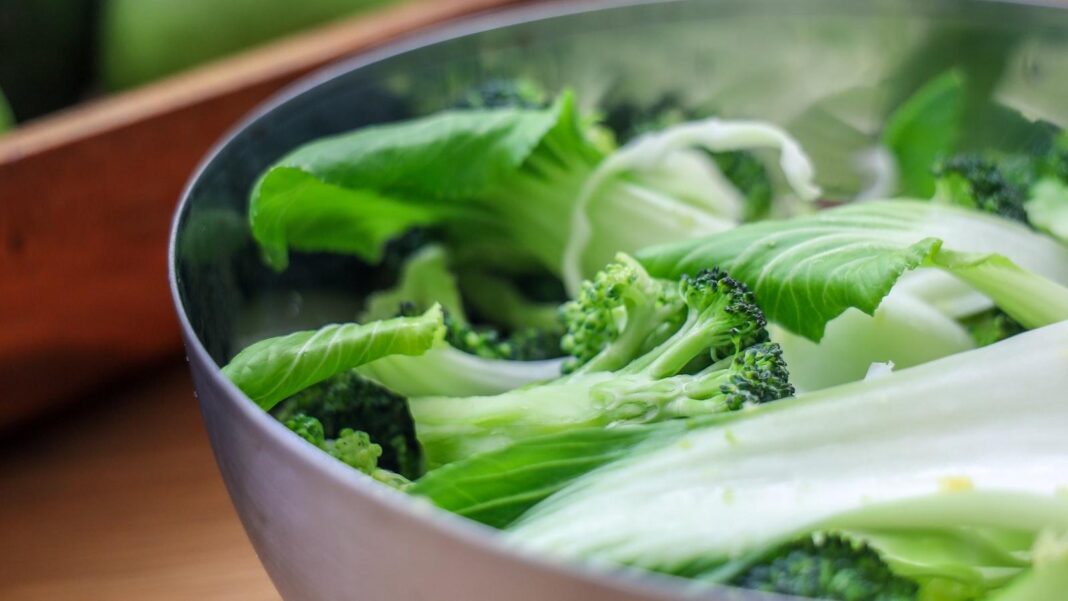
Nutrient density refers to the quantity of vitamins, minerals, and other essential nutrients found in a particular food relative to its calorie content. As seniors, it’s crucial to focus on consuming foods that are high in nutrients to support our overall health and wellbeing. One way to do this is by incorporating more vegetables into our diet. Vegetables are low in calories but packed with vitamins, minerals, and fiber. Try to fill half of your plate with a colorful assortment of vegetables, such as broccoli, spinach, carrots, and bell peppers, to boost nutrient intake.
In addition to vegetables, include lean sources of protein such as chicken, fish, tofu, or beans in your meals. These foods are not only rich in essential amino acids but also provide important nutrients like iron and omega-3 fatty acids. Avoid processed meats and opt for healthier sources of protein.
| Nutrient | Food Source |
|---|---|
| Fiber | Whole grains, fruits, vegetables, legumes |
| Calcium | Milk, yogurt, cheese, leafy greens |
| Vitamin C | Citrus fruits, berries, bell peppers |
| Omega-3 fatty acids | Fatty fish, walnuts, flaxseeds |
Lastly, be mindful of added sugars, sodium, and unhealthy fats in your diet. These can contribute to health issues such as heart disease and high blood pressure. Opt for natural sweeteners like honey or choose low-sodium options when available. Incorporating healthy fats like avocados, nuts, and olive oil can provide essential nutrients while adding flavor to your meals.
Understanding the Importance of Portion Control for Senior Health
As seniors age, it becomes increasingly important for them to maintain a healthy diet that supports their overall well-being. One crucial aspect of healthy eating for seniors is portion control. By managing portions and focusing on nutrient density, seniors can ensure they are getting the right amount of food and nutrients to support their health and vitality.
Portion control is essential because, as we age, our metabolism slows down, and our bodies require fewer calories to function properly. Consuming too many calories can lead to weight gain, which increases the risk of chronic conditions such as heart disease, diabetes, and joint problems. Seniors who practice portion control can maintain a healthy weight and reduce the strain on their bodies, allowing them to enjoy a higher quality of life.

The Impact of Nutrient Density on Aging Bodies
As we age, our bodies’ nutritional needs undergo significant changes. One key factor to consider for healthy aging is managing both portions and nutrient density in our diets. Nutrient density refers to the amount of nutrients, such as vitamins and minerals, per calorie in a given food or meal. It’s vital for seniors to focus on maximizing nutrient density in their diet to support overall health and combat the effects of aging.
When we consume foods that are high in nutrient density, we provide our bodies with the necessary vitamins and minerals needed to function optimally. Increasing the nutrient density in our diets can help improve energy levels, support cognitive function, and boost our immune systems. Some examples of nutrient-dense foods that seniors should consider incorporating into their meals include:
- Dark leafy greens: Spinach, kale, and Swiss chard are rich in vitamins A, C, and K, as well as calcium and iron.
- Colorful fruits: Berries, oranges, and watermelon are packed with antioxidants, fiber, and essential vitamins.
- Protein-rich sources: Lean meats, poultry, fish, beans, and tofu provide amino acids necessary for muscle maintenance and repair.
- Whole grains: Quinoa, brown rice, and whole wheat bread offer fiber, vitamins, and minerals.
- Healthy fats: Avocados, nuts, and seeds contain monounsaturated and polyunsaturated fats that promote heart health.
By making conscious choices to prioritize nutrient density, seniors can ensure they are getting the most out of their meals and provide their bodies with the necessary fuel to age healthily. Remember, in addition to focusing on nutrient density, portion control is equally important. Balancing the quantity and quality of food we consume can significantly impact overall health and well-being for seniors.

Practical Tips for Balancing Portion Sizes and Nutrient-Rich Foods
Maintaining a healthy diet is crucial for seniors to support their overall well-being and vitality. Balancing portion sizes and incorporating nutrient-rich foods into meals is an effective way to ensure that older adults are getting the necessary nutrients while managing calorie intake. Here are some practical tips to help seniors achieve a healthy and balanced diet.
-
Eat mindfully: Pay attention to hunger and fullness cues during meals. Avoid distractions such as watching TV or scrolling through your phone while eating. Focus on the flavors, textures, and satisfaction of each bite.
-
Size matters: Use smaller plates and bowls to help control portion sizes. This visual trick can make your meal appear more substantial, helping you feel satisfied while consuming fewer calories. Consider using portion control tools, like measuring cups or a food scale, to accurately determine serving sizes.
-
Fill half your plate with vegetables: Vegetables are low in calories but packed with essential vitamins and minerals. Aim to include a variety of colorful vegetables, such as leafy greens, peppers, and carrots, on your plate. Experiment with different cooking methods, like roasting or steaming, to enhance the flavor and texture.
-
Include lean protein sources: Opt for lean protein sources, such as fish, poultry, eggs, beans, or tofu, to meet your body’s protein needs. Replacing high-fat cuts of meat with these lean alternatives can help reduce saturated fat intake, promoting heart health.
-
Choose whole grains: Swap refined grains like white bread, rice, and pasta for whole grains like whole wheat bread, brown rice, and quinoa. Whole grains are high in fiber, which aids digestion and helps you feel fuller for longer.
-
Stay hydrated: Often, seniors may confuse thirst with hunger. Drink plenty of water throughout the day to stay properly hydrated and prevent unnecessary snacking. Carry a water bottle with you as a reminder to drink regularly.
By implementing these practical tips, seniors can maintain a healthy and balanced diet while enjoying an array of nutrient-rich foods. Remember, small changes can lead to significant improvements in overall health and well-being. Celebrate every step you take towards a healthier lifestyle.
Insights and Conclusions
As we bid adieu to our discussion on healthy eating for seniors and their journey in managing portions and nutrient density, we hope to have sparked a fire of enthusiasm and motivation within each reader. Remember, the journey to good health is not simply a destination, but a continuous exploration of delicious and nutritious possibilities.
In this article, we embarked on a voyage of uncovering the secrets to leading a vibrant and fulfilling life through mindful eating. We navigated the treacherous waters of portion control, learning how to strike the perfect balance between indulgence and restraint. As we scaled the cliffs of nutrient density, we discovered an abundance of vitamins, minerals, and essential nutrients that would fuel our bodies for the adventures that lie ahead.
We ventured into the enchanted realm of colorful fruits and vegetables, where the true magic of nutrition came alive in glistening hues. Embracing the kaleidoscope of flavors and textures, we unearthed the ultimate treasure trove of culinary joy, invigorating our palates and invigorating our souls.
Peering into the kaleidoscope, we saw the waltz of whole grains, lean proteins, and heart-healthy fats swirling together, their harmonious movements enticing us to join them in an epic dance of longevity. With delicate precision, we learn to master the art of portion control, savoring every bite and ensuring that our bodies receive just the right nourishment.
But it is not just the physical nourishment that we sought on this expedition, for we yearned to embrace the mental and emotional well-being that healthy eating can bring forth. We unearthed the power of simple pleasures, the meditative calm that a cup of herbal tea can bestow, or the soulful symphony of flavors that a well-prepared home-cooked meal can create.
As we prepare to conclude this captivating chapter on healthy eating for seniors, may we bid you farewell with a gentle reminder that, like the pages of a cherished novel, our journey toward a healthier lifestyle is an ongoing tale that we have the power to write. Each meal, each choice, is an opportunity to sculpt our own masterpiece. And so, dear reader, as you close this article, may you carry these lessons in your heart and embark on a lifelong quest to embrace the tremendous bounty of nutrient-rich foods that the world has to offer. Bon voyage, and may your plate be forever adorned with vibrant colors and wondrous flavors!