Men face a unique set of challenges when it comes to their health, and one area that often goes under the radar is urological issues. From stones that cause excruciating pain to stubborn infections that can disrupt daily life, these common ailments have plagued countless men throughout history. But fear not, for in this article, we dive into the mysterious world of urological woes to shed light on the causes, symptoms, and treatments for these bothersome conditions. So gentlemen, buckle up and prepare to embark on a journey into the realm of common urological issues, where stones, infections, and more await our exploration.
Kidney Stones: Understanding the Causes, Symptoms, and Treatment Options
Kidney stones, urological issues that affect both men and women, can be an excruciatingly painful condition. These small, hard mineral deposits form in your kidneys and can vary in size. They occur when substances like calcium, oxalate, and uric acid crystalize and clump together. While kidney stones can affect anyone, men are more prone to developing them, especially in their 30s and 40s. In this post, we will dive into the causes, symptoms, and treatment options for kidney stones.
Causes of kidney stones can vary from person to person, but certain factors increase the risk of their formation. These include a lack of sufficient water intake, a diet high in sodium and sugar, family history of kidney stones, obesity, and certain medical conditions. When kidney stones start to develop, symptoms may include intense pain in the back or side, blood in the urine, frequent urination, and a persistent need to urinate. It’s important to seek medical attention if you suspect you have kidney stones, as they can lead to complications such as urinary tract infections and kidney damage if left untreated.
Treatment options for kidney stones range from conservative approaches to surgical interventions. Small stones may pass naturally through the urinary tract with the help of pain medication and an increased fluid intake. For larger stones that cause severe pain or do not pass on their own, medical procedures such as extracorporeal shockwave lithotripsy (ESWL) or ureteroscopy may be necessary. In some cases, surgery may be required to remove the stone completely. Additionally, lifestyle changes like increasing water intake, reducing sodium consumption, and following a balanced diet can help prevent the recurrence of kidney stones. Remember, if you suspect you have kidney stones, it’s always best to consult with a healthcare professional for an accurate diagnosis and appropriate treatment plan.
Urinary Tract Infections: A Comprehensive Guide to Prevention and Effective Management
Men may experience different urological issues, ranging from kidney and bladder stones to urinary tract infections (UTIs). Understanding these common conditions and their management is crucial for maintaining optimal urological health.
One of the most prevalent urological problems in men is the formation of kidney stones. These small, hard mineral deposits can cause excruciating pain when they pass through the urinary tract. Prevention plays a key role in managing this condition. By increasing fluid intake and consuming a diet rich in fruits and vegetables, individuals can reduce their risk of developing kidney stones. Moreover, medical professionals may prescribe medications to help dissolve the stones or recommend minimally invasive procedures, such as lithotripsy, to break them into smaller fragments for easier removal.
Another common urological issue is urinary tract infections (UTIs). Although more frequently associated with women, men can also develop UTIs, especially as they age. Contributing factors may include an enlarged prostate or the presence of a catheter. Prevention strategies include drinking plenty of fluids, regularly emptying the bladder, and practicing good hygiene. In cases where a UTI occurs, prompt medical attention and appropriate antibiotic treatment are essential to prevent the infection from spreading to the kidneys and causing more severe complications.
The table below provides a summary of common urological issues, their symptoms, and recommended prevention strategies:
| Urological Issue | Symptoms | Prevention Strategies |
|---|---|---|
| Kidney Stones | Severe flank pain, blood in urine, frequent urination | Increased fluid intake, balanced diet, medications, and minimally invasive procedures |
| Urinary Tract Infections | Burning sensation during urination, frequent urge to urinate, cloudy urine | Proper hygiene, regular bladder emptying, fluid intake, prompt medical treatment |
| Prostate Problems | Difficulty urinating, weak urine flow, frequent night-time urination | Regular prostate exams, lifestyle modifications, medication, and surgery if necessary |
By understanding these common urological issues and their prevention strategies, men can take proactive steps towards maintaining a healthy urinary system. However, it is important to note that each individual’s condition may vary, and consulting with a healthcare professional is always advised for proper diagnosis and personalized treatment.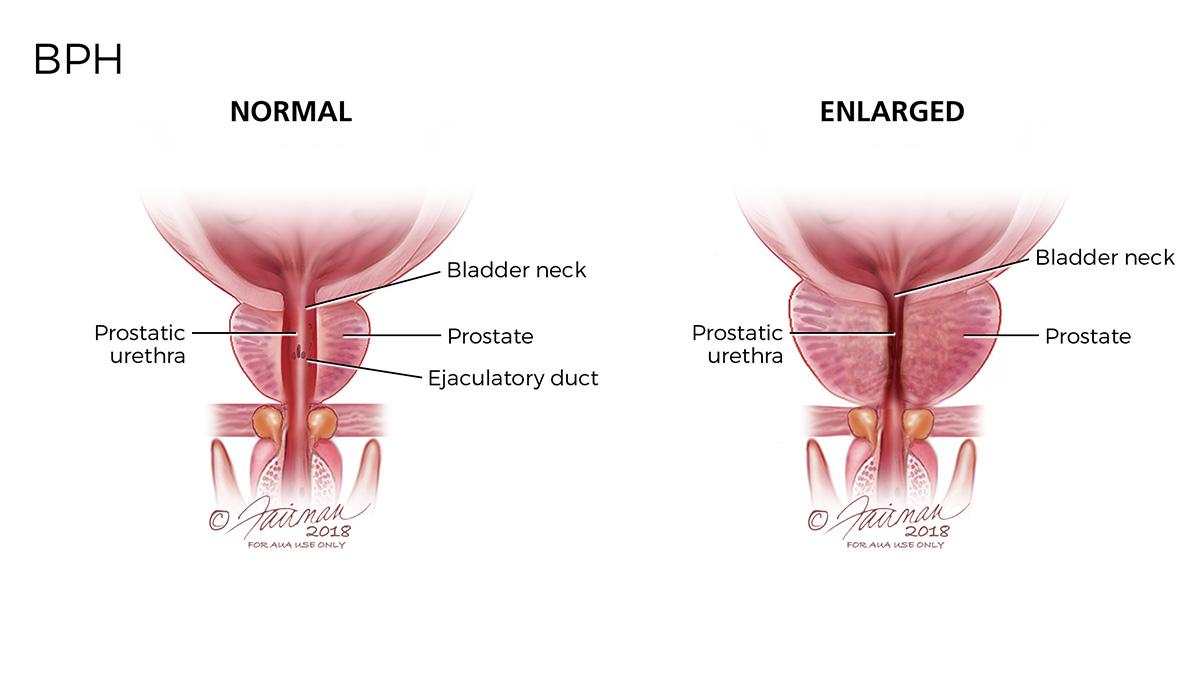
Benign Prostatic Hyperplasia: Finding Relief from Lower Urinary Tract Symptoms
As men age, they often face a range of urological issues that can affect their quality of life. One common condition that many experience is benign prostatic hyperplasia (BPH). BPH occurs when the prostate gland enlarges, leading to lower urinary tract symptoms (LUTS) such as frequent urination, nighttime awakenings, weak urine flow, and the feeling of incomplete bladder emptying.
Fortunately, there are various treatment options available for men suffering from BPH-related LUTS. Medical management is one approach where medications like alpha-blockers or 5-alpha reductase inhibitors can be prescribed to address the symptoms. Another option is minimally invasive therapies such as transurethral microwave therapy (TUMT) or water-induced thermotherapy (WIT), which can reduce the size of the prostate without surgery. For those with more severe cases, surgical interventions like transurethral resection of the prostate (TURP) or laser prostatectomy may be recommended to alleviate the symptoms and improve urinary flow.
- Alpha-blockers: Medications that relax the prostate and bladder neck muscles to improve urine flow.
- 5-alpha reductase inhibitors: Drugs that can shrink the prostate gland by blocking the conversion of testosterone to dihydrotestosterone.
- Transurethral microwave therapy (TUMT): A minimally invasive procedure using microwave energy to heat and destroy excess prostate tissue.
- Water-induced thermotherapy (WIT): A non-surgical treatment where heated water is gently injected into the prostate to shrink the gland and relieve symptoms.
- Transurethral resection of the prostate (TURP): A surgical procedure that removes excess prostate tissue to improve urine flow.
- Laser prostatectomy: A minimally invasive procedure utilizing laser energy to remove or vaporize the obstructive prostate tissue.
Men experiencing LUTS related to BPH should consult with a urologist to determine the most suitable treatment plan based on their individual case. By exploring the available options, relief from BPH symptoms is attainable, allowing men to regain control over their urinary function and improve their overall quality of life.

Erectile Dysfunction: Exploring Treatment Options for Men’s Sexual Health
Erectile dysfunction is a common urological issue that affects many men and can have a significant impact on their sexual health and overall quality of life. While it may be a sensitive topic, it’s important to explore treatment options for this condition in order to find a solution that works best for each individual.
There are several treatment options available for erectile dysfunction, ranging from medications to lifestyle changes. It’s important to consult with a healthcare professional to determine the underlying cause of the condition and to discuss the most appropriate treatment plan. Some common treatment options include:
- Medications: Prescription medications such as Viagra, Cialis, and Levitra can help relax the muscles in the penis, allowing for increased blood flow and improved erectile function.
- Therapy: Psychotherapy or counseling can be beneficial for individuals who are experiencing erectile dysfunction due to psychological factors such as stress, anxiety, or depression.
- Lifestyle Changes: Making healthy lifestyle changes can have a positive impact on sexual health. This includes maintaining a healthy weight, engaging in regular physical activity, managing stress levels, and avoiding excessive alcohol consumption and smoking.
- Vacuum Erection Devices: These devices create a vacuum around the penis, drawing blood into the area and causing an erection. They can be a useful option, especially for individuals who are unable to take medication.
In addition to these treatment options, it’s important to address any underlying medical conditions that may be contributing to erectile dysfunction, such as diabetes, high blood pressure, or heart disease. By managing these conditions, individuals may experience an improvement in their sexual health. Ultimately, the key is to find a treatment plan that suits each individual’s needs and preferences, and to communicate openly with healthcare professionals about any concerns or questions.
Wrapping Up
As we conclude our journey through the intricate world of common urological issues in men, we hope you have gained a profound appreciation for the complexity of the male genitourinary system. From the treacherous path of kidney stones to the relentless battles against pesky infections, men are confronted with a myriad of challenges that demand our attention and understanding.
By unraveling the mysteries behind these urological predicaments, we have explored the realms of gritty pain and discomfort, delving deep into the internal landscapes of the male body. We have witnessed the unforgiving wrath of stones, who silently lurk within the confines of our kidneys, waiting to strike with unrelenting force. We have untangled the perplexing web of urinary tract infections, shedding light on the relentless battles waged between good and evil bacteria on a microscopic battlefield.
But let us not forget the awe-inspiring resilience of the male body, which tirelessly fights against these intruders, embarrassing them with its unwavering strength and inherent fortitude. It is through this ceaseless fight that we are reminded of the intricate balance required for the harmonious functioning of our bodies.
As we bid adieu to this captivating journey, we must not only recognize the significance of these common urological issues but also the importance of seeking timely medical intervention. Remember, dear reader, that knowledge is our most powerful weapon in this battle. By understanding the warning signs, embracing prevention techniques, and seeking professional guidance, we can steer clear of these hurdles and safeguard our urological well-being.
So let us embark on the path to a healthier tomorrow, armed with the knowledge and awareness necessary to navigate the intricate landscape of our own bodies. With every stone shattered, every infection conquered, we move forward, united in our quest for urological triumph.
May your hydration be bountiful, your urological concerns be distant memories, and your journey through life be blissfully uninterrupted by the trials and tribulations of common urological issues.