Discover the embodiment of serenity and unleash your hidden potential through the ancient art of yoga. Step into a world where flexibility knows no bounds and the shackles of rigidity are gently shattered. Welcome to a journey of self-discovery and liberation, an exploration of a mind-body connection that pushes the boundaries of what you thought was physically possible. Whether you are a novice seeking tranquility or a seasoned yogi seeking to deepen your practice, this article is your gateway to unlocking the power of yoga for flexibility. Together, let us embark on a transformative odyssey towards increasing our range of motion, where every level finds its place and blossoms like a lotus in full bloom.
Exploring the benefits of yoga for flexibility
Yoga is not only a practice of inner peace and mindfulness, but it also offers a multitude of physical benefits. One of the key advantages of incorporating yoga into your fitness routine is the significant increase in flexibility. Through a combination of gentle stretches, flowing movements, and mindful breathing, yoga can help improve your range of motion no matter what level you are at in your yoga journey.
Flexibility is crucial for maintaining a healthy body and preventing injuries. Regular yoga practice can help to lengthen and stretch your muscles, increasing your overall flexibility and joint mobility. The different yoga poses and sequences target specific muscle groups, gradually working to release tension and tightness in your body. Whether you are a beginner or an advanced practitioner, yoga allows you to progress at your own pace, gently pushing your limits and challenging your muscles to stretch further.
Furthermore, yoga promotes a sense of body awareness and alignment, which helps to improve your posture and balance. By engaging in yoga poses that target areas such as the spine, hips, and hamstrings, you can gradually notice improvements in your overall flexibility and range of motion. Some of the specific yoga poses that are particularly effective in increasing flexibility include forward bends, backbends, twists, and hip openers. Incorporating these poses into your yoga practice will gradually stretch and lengthen your muscles, making daily activities easier and more enjoyable.
In summary, yoga offers numerous benefits for increasing flexibility and improving range of motion. By incorporating regular yoga practice into your fitness routine, you can experience greater freedom of movement, improved posture, and reduced muscle tension. Whether you are a seasoned yogi or a beginner, yoga provides a holistic approach to physical well-being, helping you achieve a flexible body and a calm mind. So roll out your mat, take a deep breath, and embrace the transformative power of yoga.
Understanding the mechanics of increased range of motion through yoga
Yoga is a powerful practice that can greatly enhance flexibility and improve range of motion for practitioners of all levels. By incorporating a combination of postures, breathing techniques, and mindful movements, yoga helps to stretch and strengthen muscles, tendons, and ligaments, ultimately improving overall flexibility.
One of the key mechanisms behind increased range of motion through yoga is the activation of the body’s proprioceptors. Proprioceptors are specialized nerve endings located in muscles, joints, and tendons that provide information about the body’s position in space and its movements. When we practice yoga, these proprioceptors are stimulated, sending signals to the brain to increase flexibility and range of motion. This is particularly beneficial for individuals who may have limited mobility or stiffness, as yoga helps to gently encourage the body to move beyond its current limitations.
Moreover, yoga also improves flexibility by promoting relaxation and releasing muscular tension. As we hold various yoga poses or asanas, we learn to relax into them, allowing the body to let go of unnecessary tension. By consciously relaxing the muscles, we create space for increased elongation and freedom of movement. Additionally, the controlled breathing techniques used in yoga activate the parasympathetic nervous system, which induces a state of calmness and relaxation, further aiding in releasing muscle tension and allowing for greater flexibility.
The Benefits of Yoga for Increased Range of Motion:
- Improved flexibility and joint mobility
- Enhanced athletic performance
- Reduced risk of injuries, particularly related to muscles and joints
- Increased blood circulation
- Alleviation of chronic pain
- Enhanced body awareness
| Yoga Poses for Increasing Range of Motion: | Area of Focus: |
|---|---|
| Downward Dog | Shoulders, hamstrings, calves |
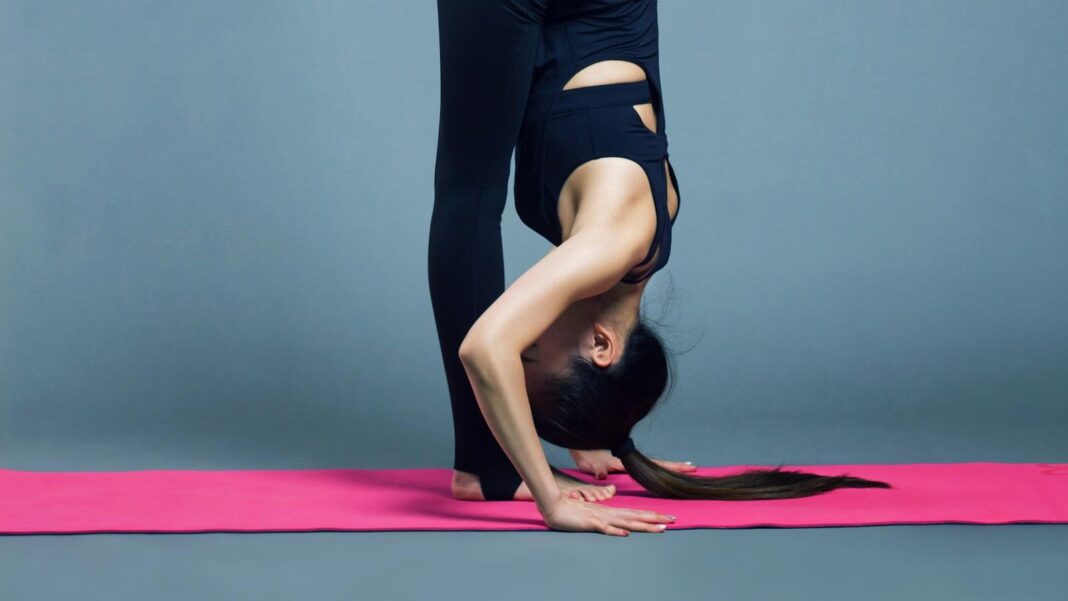
| Standing Forward Fold | Hamstrings, lower back |
| Bridge Pose | Spine, hip flexors, chest, shoulders |
| Butterfly Pose | Hip flexors, groin |
Regardless of your current flexibility level, incorporating yoga into your fitness routine can bring about remarkable changes in your range of motion. As you gradually progress and deepen your practice, you’ll find yourself effortlessly moving into positions that seemed impossible before. Remember, patience and consistency are key when it comes to yoga—so embrace the journey and enjoy the newfound freedom of movement and flexibility that awaits you!

Tailoring yoga routines to individual flexibility levels
When it comes to practicing yoga, one size does not fit all. Each person has their own unique flexibility levels, and it’s important to tailor yoga routines to accommodate individual needs. Whether you’re a beginner or an advanced practitioner, understanding how to adapt the practice to work with your current range of motion is essential for achieving optimal benefits.
One way to customize yoga routines for different flexibility levels is by incorporating modifications and variations of poses. For those with limited flexibility, using props such as blocks or straps can help maintain proper alignment and provide support during poses. This allows individuals to gradually increase their range of motion without straining or overexerting themselves. On the other hand, more advanced practitioners can challenge themselves by deepening stretches or exploring advanced variations of poses to further improve flexibility.
Incorporating effective yoga poses to enhance flexibility
Yoga is a fantastic practice to improve flexibility, and whether you are a beginner or an advanced practitioner, there are many effective yoga poses that can help you increase your range of motion. Incorporating these poses into your regular yoga routine can lead to greater flexibility, improved muscle strength, and an overall sense of relaxation and well-being. Here are some yoga poses that are known for their ability to enhance flexibility:
-
Downward Facing Dog: This pose is a staple in most yoga practices and is excellent for stretching the hamstrings, calves, and shoulders. Start by placing your hands on the ground, shoulder-width apart, and your feet hip-width apart. Lift your hips up while lengthening your spine, forming an inverted V shape with your body. Hold for a few breaths, allowing your heels to sink towards the ground and your chest to open.
-
Triangle Pose: This pose is great for stretching the hips, hamstrings, and sides of the body. Start by standing with your feet wide apart, toes pointing forward. Extend your arms out to the sides and hinge at the hips, reaching your right hand down towards your right shin or the ground. Your left arm will reach up towards the sky, creating a straight line from your right hand to your left hand. Keep your legs engaged and your chest open as you hold the pose, then repeat on the other side.
Including these yoga poses in your practice can bring about significant improvements in your flexibility. Remember to listen to your body, never push yourself too far, and always breathe deeply as you move through these poses. Enjoy the journey towards greater range of motion and the many benefits that increased flexibility can bring. Namaste!
Concluding Remarks
As we flow to the end of our yoga journey, we’ve unlocked the secrets to enhancing flexibility and expanding our range of motion. From novice yogis to seasoned practitioners, we’ve taken a collective leap towards a more limber and fluid existence. This exploration of self-discovery and physical liberation has left us in awe of the magic that lies within us.
Through the art of yoga, we have stretched not only our bodies but also our minds. Each pose we gracefully melted into, and every breath we mindfully took, has brought us closer to uncovering the boundless possibilities within us. Flexibility, once limited to our physical selves, has now become the embodiment of our resilience and adaptability.
Yoga has gifted us with the transformative power to overthrow the shackles of rigidity, allowing us to sway with the rhythm of life. As we find ourselves in this exquisite dance between strength and suppleness, we’ve learned that our bodies crave both challenge and compassion. It is through this delicate balance that we cultivate harmony within ourselves.
We have witnessed the miraculous blossoming of strength through vulnerability, as seemingly impossible postures became achievable with practice and patience. Yoga has taught us that flexibility is not limited to the length of our hamstrings or the bend of our spines, but rather a state of mind that embraces both change and the unknown.
Our journey towards increased range of motion has not only liberated our bodies but has unlocked a reservoir of untapped energy within us. As we delve deep into the depths of each asana, we’ve unraveled the secrets of our emotional and spiritual elasticity. We have emerged as warriors, capable of adapting to the ebb and flow of life’s unpredictable currents.
May this newfound flexibility not only grace our yoga mats but also transcend into the very essence of our lives. Let us rise above the constraints of rigidity and embrace the fluidity that exists within us and all around. As we bid farewell to this chapter on yoga for flexibility, may our journeys be filled with vibrant stretches and limitless expansion.
Remember, dear yogis, that flexibility is not a destination but a lifelong dance. It is in the yielding, in the surrender, and in the acceptance that we find true liberation. So, continue to let your bodies become an exquisite symphony of grace, and your souls reverberate with the wisdom that yoga bestows.
Namaste.