
In the depths of silence, beneath the facade of unwavering strength, lies a concern that demands our utmost attention: the growing threat of suicide among men. As society grapples with understanding this enduring crisis, it becomes imperative to delve deeper into the shadows, recognizing the warning signs that often tiptoe stealthily prior to tragedy’s arrival. Shedding light upon a topic so grave yet often unspoken, this article aims to cultivate empathy, understanding, and provide a guiding path towards seeking help. An exploration of the complexities, struggles, and hidden battles faced by men, our journey commences with an unyielding drive to uncover the profound insights and support mechanisms that pave the way for hope amidst darkness.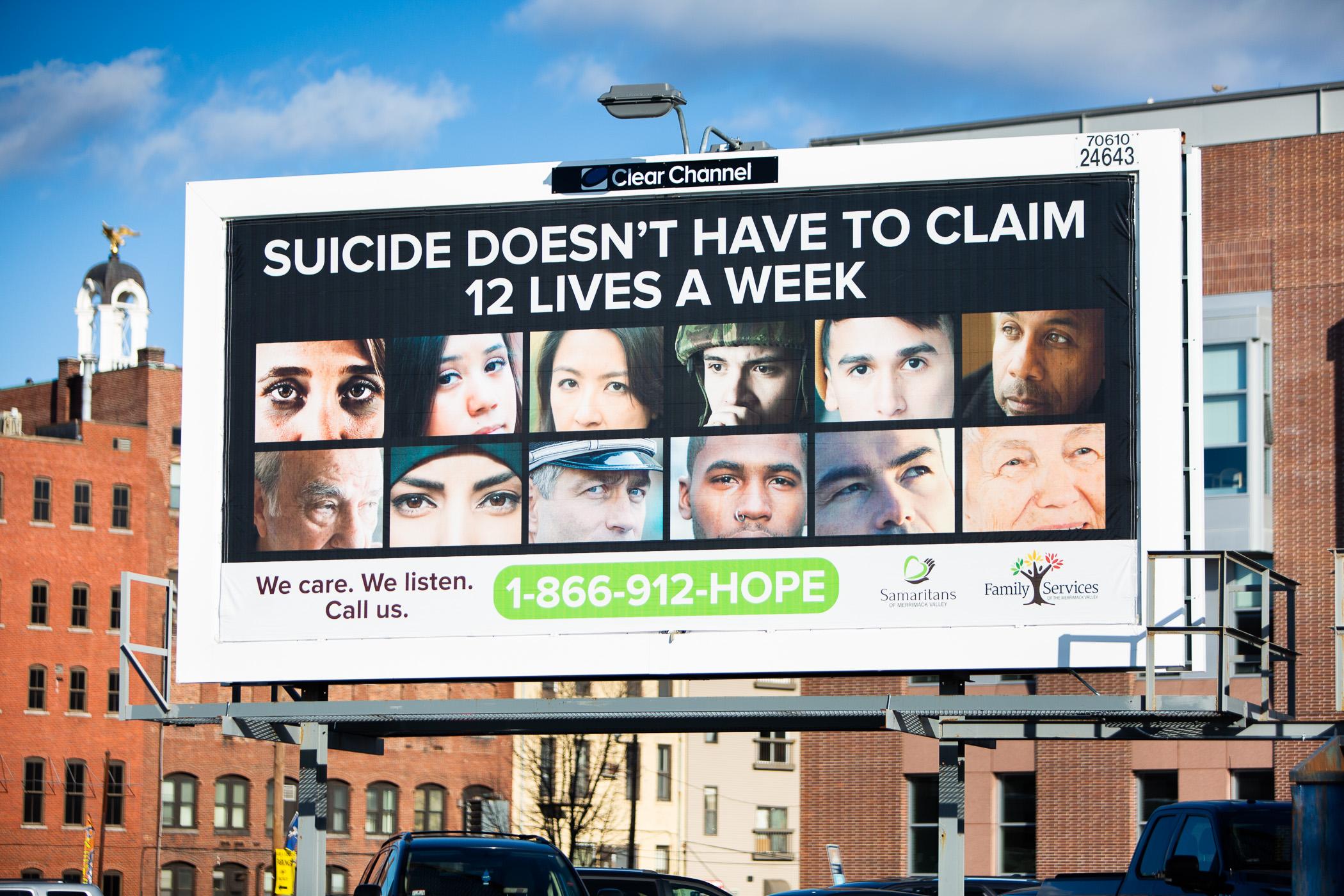
The Silent Crisis: Investigating the Soaring Rates of Suicide Among Men
Men’s mental health is a pressing issue that is slowly gaining recognition worldwide. As the rates of suicide among men continue to soar, it is crucial that we bring attention to this silent crisis and take action to prevent further tragedies. Understanding the warning signs and knowing when and how to seek help are essential steps in combating this growing threat.
Recognizing warning signs can often save lives. Some common signs that may indicate a man is contemplating suicide include:
- Isolation and withdrawing from social activities
- Persistent sadness or hopelessness
- Increased substance abuse
- Irregular sleep patterns, insomnia, or excessive sleep
- Extreme mood swings
When you notice these warning signs in someone you care about, it is crucial to initiate a conversation and express concern. Encourage them to seek professional help, such as therapists or counselors who specialize in men’s mental health. Additionally, there are various helpline services available for immediate psychological support. Remember, by being supportive and empathetic, you can make a significant difference in someone’s life.
| Resources | Contact | Availability |
|---|---|---|
| National Suicide Prevention Lifeline | 1-800-273-TALK (8255) | 24/7 |
| Crisis Text Line | Text HOME to 741741 | 24/7 |
| Men’s Health Forum | Visit www.menshealthforum.org.uk | Mon-Fri, 9am-5pm |
Don’t let anyone suffer in silence. By understanding the signs and reaching out for help when needed, we can break the stigma surrounding men’s mental health and work towards a future where no one feels alone in their struggles. Together, we can make a difference and save lives.

Exploring the Subtle Warning Signs: Unveiling the Unspoken Indicators of Male Suicide
This post aims to shed light on the distressing trend of male suicide and the importance of recognizing the warning signs and seeking help. Despite being a subject that is often unspoken, male suicide rates are alarmingly high and continue to rise. It is crucial to explore the subtle indicators that may go unnoticed, raising awareness and encouraging individuals to take proactive steps in preventing these tragic outcomes.
Understanding the silent pleas for help that males may display is the first step towards combating this growing threat. Although the signs might not always be evident, there are common warning signals that should not be ignored. These include:
- Social withdrawal: Male individuals who start isolating themselves from friends, family, and activities they once enjoyed might be silently struggling with their mental health.
- Heightened aggression and irritability: Unexplained bursts of anger, uncontrolled aggression, and constant irritability can be red flags that indicate an underlying emotional turmoil.
| Signs that require immediate attention: |
|---|
| 1. Expressing thoughts of suicide or death |
| 2. Giving away personal belongings |
| 3. Drastic changes in eating or sleeping patterns |
By being aware of these unspoken indicators, we can foster a supportive and understanding environment that encourages men to seek the help they need. It is vital to remember that mental health struggles are not shameful, and seeking professional guidance can be a life-saving decision.

Breaking the Stigma: Promoting Open Conversations and Seeking Help for Men in Crisis
In today’s society, the alarming rates of suicide among men have become a growing concern. It is vital to recognize the warning signs and provide necessary support. By embracing open conversations and breaking down the stigma surrounding mental health, we can create a safe environment where men feel comfortable seeking help.
One of the key steps towards promoting mental well-being among men is to encourage open dialogue. Sharing personal experiences and emotions through open conversations can help normalize the discussion around mental health struggles. Men need to understand that it is okay to not be okay, and by speaking up, they are not weak, but brave and courageous.
When it comes to recognizing warning signs, it is essential to be attentive to behavioral changes. Abrupt changes in mood, withdrawal from social activities, and increased alcohol or drug use can be red flags indicating that someone may be in crisis. It is crucial to reach out and show genuine concern. By simply asking, “Are you okay?” we can make a significant difference in someone’s life.
The Importance of Seeking Help
Seeking help is not a sign of weakness; it is a sign of strength. It takes courage to acknowledge one’s struggles and actively seek support. Providing resources and outlets for men to seek help is essential in combating the rising suicide rates.
Qualified professionals, such as therapists or counselors, play a crucial role in providing the necessary guidance and support. Mental health check-ups should be as routine as physical check-ups. Encouraging men to seek professional help can vastly improve their overall well-being.
Furthermore, fostering a sense of community and support networks can ensure men do not feel alone in their journey. Establishing men’s support groups where individuals can engage in group therapy, share experiences, and offer emotional support can prove immensely beneficial.
| Warning Signs | How to Help |
|---|---|
| Withdrawal from social activities | Reach out and express genuine concern |
| Increased alcohol or drug use | Encourage seeking help from mental health professionals |
| Mood swings and sudden behavioral changes | Support open conversations and provide resources |
Breaking the stigma starts with all of us. By promoting open conversations, recognizing warning signs, and actively supporting men in crisis, we can make significant progress in preventing tragedies and fostering a society where seeking help is viewed as a step towards healing and growth.

A Call to Action: Empowering Men to Prioritize Mental Health and Encourage Professional Support
While mental health is a topic that affects people of all genders, it is essential to recognize the growing threat of suicide among men. Societal pressures and gender stereotypes often discourage men from seeking help and expressing their emotions, leading to the alarming statistics we see today. It’s time for us to break this cycle and create a supportive environment where men feel empowered to prioritize their mental well-being.
Recognizing Warning Signs:
- Isolation and withdrawal from social activities
- Irritability and anger outbursts
- Drastic change in appetite or sleep patterns
- Loss of interest in hobbies or enjoyable activities
- Substance abuse and reckless behavior
Seeking Help:
- Start an open dialogue about mental health among friends, family, and colleagues
- Encourage professional support, such as therapy or counseling services
- Provide resources and information on support groups or helplines
- Normalize seeking help by sharing stories of successful recovery
- Support legislation that improves access to mental health services
By recognizing the warning signs and breaking the stigma around mental health, we can save lives and empower men to seek the support they need. Together, let’s cultivate a society where mental health is a priority for everyone, regardless of gender.
Final Thoughts
In the depths of despair, there exists a silent battle that too often goes unnoticed and unspoken. Behind the resilient facade worn by men lies a growing threat, one that demands recognition and action. Suicide, a delicate topic seldom discussed, requires our unwavering attention, empathy, and understanding. While it may be a difficult subject to broach, our shared responsibility compels us to recognize the warning signs, provide support, and seek help when needed.
In an era where strength is frequently equated with invincibility, men find themselves trapped within the confines of societal expectations. Yet, in acknowledging and embracing our vulnerability, we can redefine the meaning of true strength. The time has come to shatter the stigmatization surrounding mental health, for it is within these conversations that we dismantle the myths and foster an environment of openness.
Recognizing the warning signs of a man’s emotional distress requires an attentive eye, a compassionate ear, and an authentic desire to help. It is in the retreat from hobbies or activities once enjoyed, the sudden change in behavior or mood, and the withdrawal from social connections where the seeds of desperation might take root. By understanding that these signs are not a sign of weakness but a call for help, we pave the path towards genuine care and intervention.
Breaking the cycle of suffering demands a united front, one where we replace any judgment with compassion and any ignorance with knowledge. It is important to remember that seeking help is not a sign of failure but an act of bravery. Whether reaching out to a friend, confiding in a family member, or seeking professional guidance, no man should have to battle the darkness alone. Together, we foster an environment that emits the warmth of acceptance, ensuring that no cry for help goes unheard and no life goes unvalued.
Every man has a story, an intricate tapestry of experiences, emotions, and battles fought silently. By uplifting the voices that have long remained muted, by challenging the expectations society places upon us, we address the growing threat of suicide among men with avowed determination and conviction. Only through our collective commitment to mental health can we cast aside the shackles of despair and forge a world where every man, regardless of societal constructs, can find solace, support, and ultimately, the resilience to overcome.