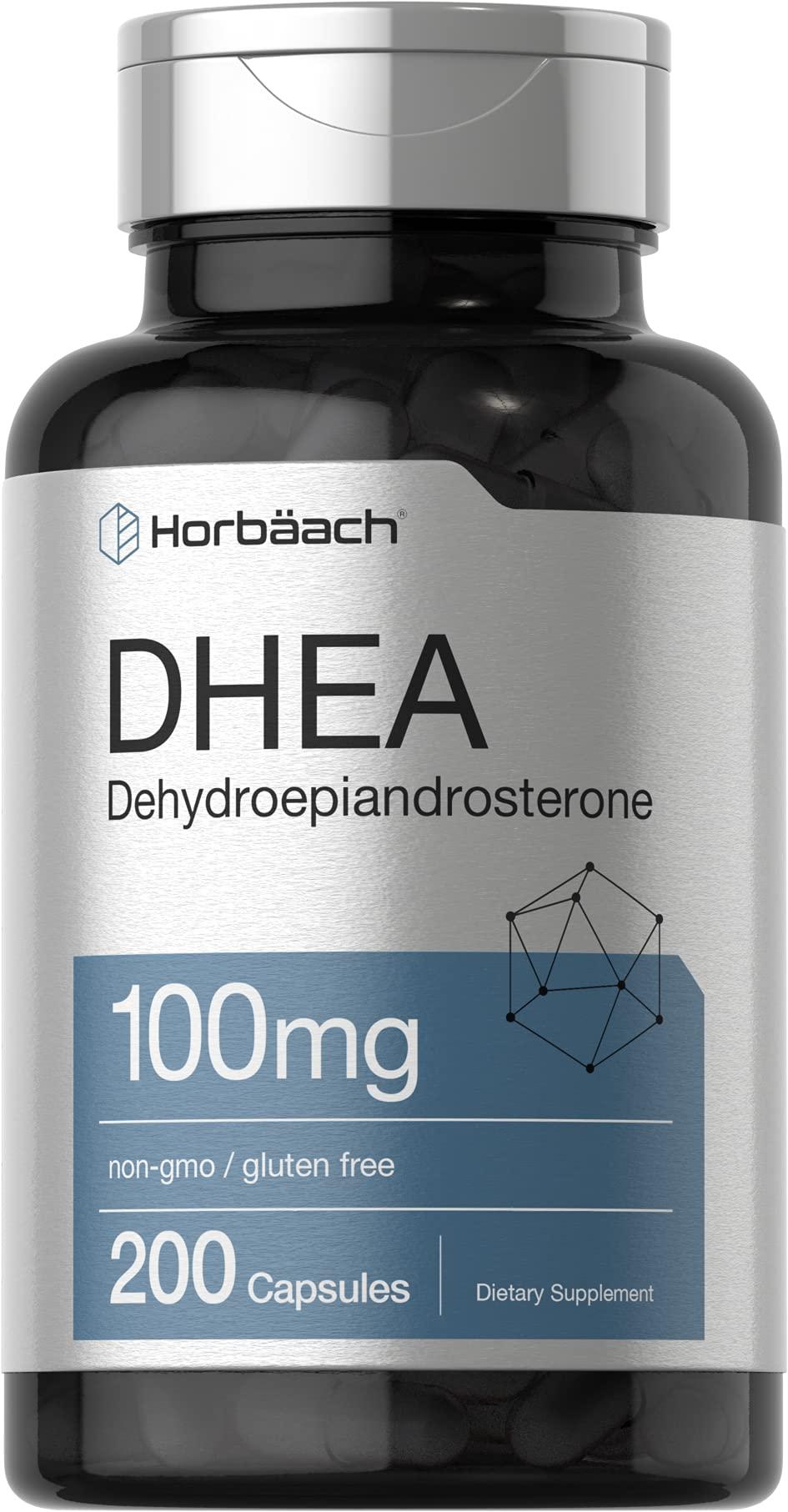
Unlocking the secrets of our body’s inner alchemy, there exists a hidden molecule that could hold the key to rejuvenation, vitality, and overall well-being: DHEA. Standing proudly as a hormone precursor, this enigmatic compound stands poised to offer a host of potential benefits, both physical and mental. With a magical touch that can bring about change from within, join us as we embark on a journey into the extraordinary world of DHEA and explore its remarkable potential to transform the very fabric of our existence. In this article, we will delve into the depths of this fascinating hormone precursor, unraveling its mysteries and shedding light on the countless ways it may enhance our lives. Brace yourself for a scientific adventure where objectivity reigns, as we impartially explore the captivating realm of DHEA and the wonders it may harbor.
Understanding DHEA: The Basics and Significance
DHEA, short for dehydroepiandrosterone, is a hormone precursor produced by the adrenal glands. This means that it is a substance that is used by the body to make other hormones, such as testosterone and estrogen. DHEA is naturally produced in the body, but levels of this hormone can decline with age. It is often referred to as the “youth hormone” because it plays a crucial role in maintaining optimal health and vitality.
There are numerous potential benefits associated with DHEA supplementation. One of the most notable is its potential to improve overall well-being and mood. Research suggests that DHEA may help increase feelings of happiness and reduce symptoms of depression and anxiety. It has also been linked to improved cognitive function and memory. In addition, DHEA has the potential to enhance immune function and support a healthy weight. It may also improve bone density and strength, making it beneficial for individuals at risk for osteoporosis.

Unveiling the Potential Benefits of DHEA Supplementation
One of the most intriguing hormones with potential benefits for various aspects of health and wellness is DHEA, short for dehydroepiandrosterone. DHEA is a hormone precursor produced by the adrenal glands and plays a crucial role in the body’s hormone production. While DHEA levels naturally decline with age, many individuals are turning to DHEA supplementation as a way to support their overall well-being.
DHEA supplementation has been associated with a range of potential benefits, making it a popular choice among those seeking to optimize their health. Some potential benefits of DHEA supplementation include:
- Promoting balanced hormone levels: DHEA is a precursor to other hormones such as testosterone and estrogen, and supplementing with DHEA may help maintain optimal hormone balance in the body.
- Supporting cognitive function: Research suggests that DHEA may have a positive impact on cognitive function, including memory and mental clarity.
- Enhancing mood and emotional well-being: DHEA may contribute to improved mood and overall emotional well-being, potentially reducing symptoms of depression and anxiety.
- Aiding in weight management: DHEA supplementation has been associated with increased metabolism and fat burning, which may help support healthy weight management.
- Promoting bone health: Some research suggests that DHEA may help support bone density and reduce the risk of osteoporosis.
While DHEA supplementation holds promise for potential benefits, it’s important to consult healthcare professionals before starting any new dietary regimen, including DHEA supplementation. They can provide personalized advice based on individual health considerations and help ensure the appropriate dosage for optimal results.

Considerations for Safe and Effective DHEA Use
Before considering the use of DHEA as a hormone precursor, it is important to understand the key factors that contribute to its safe and effective use.
Choosing the Right Dosage
Getting the correct dosage is crucial to ensure safe and effective use of DHEA. It is important to start with a low dosage and gradually increase it over time. Consulting with a healthcare professional is recommended to determine the appropriate dosage based on individual needs and health conditions.
Monitoring Hormone Levels
Regular monitoring of hormone levels is essential when using DHEA. This allows individuals to gauge its effectiveness and make necessary adjustments to their dosage. Lab tests can provide valuable insights into hormone balance and help prevent any potential imbalances that may arise from DHEA supplementation.
Paying Attention to Potential Side Effects
Like any supplement, DHEA may have side effects, although they are generally mild. These might include acne, mood swings, and changes in menstrual cycle for women. It is important to be aware of these potential side effects and discontinue use if any severe symptoms occur.
Conclusion
Considering these important factors when using DHEA as a hormone precursor can greatly enhance its safety and effectiveness. Always consult with a healthcare professional to determine the correct dosage and to monitor hormone levels throughout the supplementation process. With proper care and attention, DHEA can potentially provide a range of benefits for those seeking hormonal balance and overall wellbeing.

Exploring Research and Expert Recommendations on Optimizing DHEA Levels
DHEA, or dehydroepiandrosterone, is a hormone precursor that naturally occurs in the body. It plays a crucial role in the synthesis of other hormones, including estrogen and testosterone. Recent research has focused on understanding the potential benefits of optimizing DHEA levels and the expert recommendations that come along with it.
One of the key findings from research is the potential anti-aging effects of DHEA. Studies have suggested that maintaining optimal DHEA levels may help improve skin health, reduce wrinkles, and promote overall youthful appearance. Additionally, DHEA is known to support immune function, which is essential for fighting off infections and diseases.
Experts recommend various strategies for optimizing DHEA levels, including diet and lifestyle modifications. Foods rich in omega-3 fatty acids, such as fatty fish and flaxseeds, are believed to support DHEA production. Regular exercise, stress reduction techniques like meditation, and quality sleep are also known to positively impact DHEA levels.
Furthermore, it is important to consult with a healthcare professional before considering DHEA supplementation. They can conduct a thorough evaluation of individual hormone levels and provide personalized advice on the most suitable dosage and duration.
In conclusion, exploring the research and expert recommendations on optimizing DHEA levels can shed light on the potential benefits of this hormone precursor. Incorporating healthy lifestyle habits and considering targeted supplementation under medical guidance are essential steps towards harnessing the potential advantages of DHEA for overall well-being.
Final Thoughts
As we bring this journey through the captivating world of DHEA to a close, one cannot help but marvel at the marvels that lie within us, waiting to be discovered. From its humble beginnings as a hormone precursor, DHEA has emerged as a force to be reckoned with, armed with the potential to unlock a myriad of benefits.
Throughout our exploration, we have traversed the intricate pathways of this mystifying hormone, discovering its remarkable role in our well-being. Although research is ongoing and much remains to be unraveled, the potential benefits of DHEA have already stirred the curiosity of scientists and individuals alike.
From the realm of anti-aging to its impact on mood and cognitive function, the promise shown by DHEA as a natural ally in our journey toward wellness is undeniable. As the curtain draws on our discussion, we invite you to reflect upon the possibilities that DHEA may hold for you and your unique path.
While it is true that more studies are essential to fully comprehend the extent of DHEA’s potential benefits, it is crucial to approach the subject with an open mind and a discerning eye. As with any supplement or hormonal intervention, consulting with a healthcare professional is key to ensuring that the decision aligns with your specific needs and goals.
Let us now bid adieu to this captivating exploration, though our fascination with the enigma of DHEA will linger on. As research continues to shed light on its potential, we remain on the precipice of a greater understanding of this mysterious hormone precursor and its magnificent story yet to unfold.