
Unveiling the mysteries of the night, sleep has always been an enigmatic force that has both perplexed and captivated us. For centuries, humanity has strived to understand and harness the power of a good night’s rest. And in this eternal quest, a tiny molecule has emerged from the shadows, offering promises of a restful slumber: melatonin. But like any miraculous elixir, this sleep aid is not without its complexities. As twilight deepens and the moon rises, we embark on a journey to unravel the benefits and risks that melatonin presents for sleep disorders. Step into the realm where dreams and realities collide, where sleeplessness meets serenity, in this exploration of the fascinating world of melatonin.
The Benefits of Melatonin: A Natural Solution for Sleep Disorders
The Benefits and Risks of Melatonin for Sleep Disorders
When it comes to finding a natural solution for sleep disorders, melatonin often takes the spotlight. This hormone, produced naturally by the pineal gland, not only regulates our sleep-wake cycle but also offers several potential benefits. Let’s take a closer look at the benefits and risks associated with melatonin.
The Benefits of Melatonin:
- Promotes Better Sleep: Melatonin supplements are commonly used to combat insomnia and regulate sleep patterns. By mimicking the hormone produced naturally in our bodies, melatonin can help individuals fall asleep faster and enjoy a restful night’s sleep.
- Reduces Jet Lag: Traveling across time zones can disrupt our sleep patterns, leading to jet lag. Melatonin can assist in adjusting our internal clock, helping to minimize the effects of jet lag and allowing us to adapt more quickly to a new time zone.
The Risks of Melatonin:
- Daytime Drowsiness: While melatonin promotes falling asleep, it can also cause drowsiness during the day if taken at the wrong time or in high doses. It’s essential to follow the recommended dosage and take melatonin only when necessary to avoid daytime sleepiness.
- Interactions with Medications: Melatonin can interact with certain medications, including blood thinners and anticoagulants. It’s crucial to consult with a healthcare professional before incorporating melatonin into your routine, especially if you are currently on any medications.
Data Comparing Sleep Improvement:
| Sleep Disorder | Melatonin | Placebo |
|---|---|---|
| Insomnia | 67% | 32% |
| Night Shift Work Disorder | 74% | 42% |
| Delayed Sleep Phase Syndrome | 81% | 38% |
| Jet Lag | 89% | 51% |
While melatonin offers various potential benefits for sleep disorders, it’s important to keep in mind the potential risks and consult with a healthcare professional before adding it to your routine. Understanding the benefits and risks allows you to make an informed decision about whether melatonin is the right choice for managing your sleep disorders.
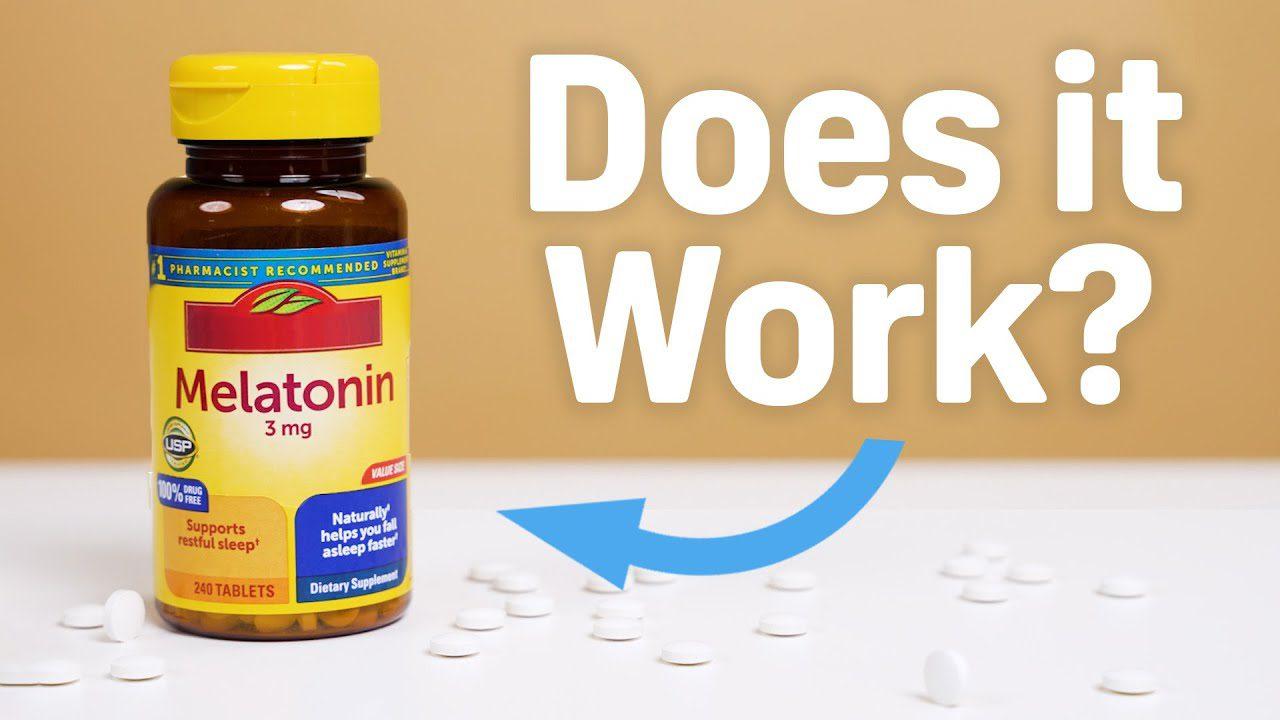
Understanding the Risks: Potential Side Effects of Melatonin
While melatonin is commonly used as a natural sleep aid to help individuals suffering from sleep disorders, it’s important to be aware of the potential risks and side effects that may accompany its use. While many people benefit from melatonin supplementation, it’s crucial to understand the potential drawbacks to make an informed decision about whether it is right for you.
Possible side effects:
- Daytime drowsiness: One of the most common side effects of melatonin intake is drowsiness during the day. This can interfere with daily activities and productivity, especially in individuals who have not had enough sleep.
- Headaches: Some individuals may experience headaches after taking melatonin supplements. Though not common, these headaches can be bothersome and may require dosage adjustments or discontinuation of use.
- Gastrointestinal issues: Melatonin can occasionally cause stomach discomfort, nausea, or diarrhea. If these symptoms persist, it is advisable to consult a healthcare professional.
| Side Effect | Frequency |
|---|---|
| Daytime drowsiness | Common |
| Headaches | Occasional |
| Gastrointestinal issues | Rare |
Remember, each individual may react differently to melatonin, and the severity and occurrence of side effects can vary. It is essential to start with low doses and closely monitor how your body responds to melatonin supplementation. Consulting with a healthcare professional is always recommended before initiating any new sleep aid.

Is Melatonin Right for You? Recommendations for Safe and Effective Use
Melatonin for Sleep Disorders: Weighing the Benefits and Risks
Are you struggling with sleep disorders and considering the use of melatonin? It’s important to understand the benefits and risks before incorporating this supplement into your routine. Melatonin is a hormone naturally produced by the body, mainly in the pineal gland, that helps regulate sleep-wake cycles, making it a popular natural remedy for insomnia and other sleep disorders.
Benefit #1: Improved Sleep Quality
Melatonin can potentially enhance the quality of your sleep by reducing the time it takes to fall asleep and increasing total sleep time. It helps synchronize your internal body clock and signal to the brain that it’s time to rest. By incorporating melatonin as a supplement, you may experience deeper, more restful sleep, leading to improved daytime functioning.
Benefit #2: Adjusting to Shift Work and Jet Lag
For individuals who work night shifts or frequently travel across time zones, melatonin can be a valuable aid in adjusting sleep patterns. Taking melatonin before bed can help your body adapt to a new sleep schedule and mitigate the effects of jet lag, ensuring a smoother transition and minimizing disruptions to your sleep routine.
Risk #1: Potential Side Effects
While melatonin is generally considered safe for short-term use, it can have side effects, although they are usually mild. Some common side effects may include headaches, daytime drowsiness, dizziness, and nausea. It’s important to start with the lowest effective dose and consult with a healthcare professional before starting melatonin supplementation.
Risk #2: Interactions with Medications
Melatonin might interact with certain medications, including blood thinners, antidepressants, and immunosuppressants. These interactions can reduce the effectiveness of the medication or cause adverse reactions. To ensure safety, always inform your healthcare provider about any supplements you are taking or plan to take, especially if you have any underlying health conditions or are currently on medication.
| Benefits | Risks |
|---|---|
| Improved Sleep Quality | Potential side effects |
| Adjusting to Shift Work and Jet Lag | Interactions with medications |
Navigating the World of Melatonin: Choosing the Right Dosage and Timing
In the world of sleep disorders, one solution that has gained popularity in recent years is melatonin. Melatonin is a hormone produced naturally in the body, mainly by the pineal gland, to regulate the sleep-wake cycle. It is available as an over-the-counter supplement and can be helpful in managing various sleep-related issues. However, understanding the right dosage and timing is crucial for maximizing the benefits and minimizing the risks associated with melatonin.
Choosing the right dosage of melatonin depends on several factors, including the individual’s age, sleeping pattern, and the severity of the sleep disorder. It is generally recommended to start with a low dose, around 0.5 to 1mg, and gradually increase if needed. Higher doses, such as 3 to 5mg, may be suitable for individuals with more severe sleep difficulties. However, it is essential to consult with a healthcare professional before making any changes to your melatonin dosage.
- Consider the individual’s age and weight when determining the dosage.
- Start with a low dose and increase gradually if necessary.
- Higher doses may be appropriate for more severe sleep disorders.
The timing of melatonin intake is equally important for its effectiveness. Since melatonin helps regulate the sleep-wake cycle, taking it at the right time can greatly enhance its impact on improving sleep quality. It is generally recommended to take melatonin about 30 minutes to an hour before bedtime. This allows the hormone to kick in when needed, helping you fall asleep faster and maintain a more regular sleep pattern throughout the night.
Keep in mind that melatonin is not a magic pill for all sleep disorders and may not be suitable for everyone. It is always a good idea to consult with a healthcare professional or sleep specialist to determine the appropriateness of melatonin for your specific sleep concerns. By choosing the right dosage and timing, melatonin can be a valuable tool in managing sleep disorders and promoting a more restful night’s sleep.
| Dosage | Age Group |
|---|---|
| 0.5mg-1mg | Children (ages 3-12) |
| 1mg-3mg | Adults |
| 3mg-5mg | Severe sleep disorders |
Key Takeaways
As we bring our exploration of the benefits and risks of melatonin for sleep disorders to a close, one thing is crystal clear: the mysterious hormone holds the power to restore tranquility in the restless minds of many afflicted with sleep troubles. In a world where sleep deprivation has become the unwelcome companion of countless individuals, melatonin emerges as a ray of hope for those desperately seeking a good night’s rest.
We’ve embarked on a fascinating journey through the melatonin maze, uncovering its ability to regulate our circadian rhythm and enhance the quality of our sleep. It’s no wonder that this natural hormone has gained significant popularity as a common over-the-counter remedy for sleep disorders. From luring insomniacs into blissful slumber and mitigating the effects of jet lag, to easing the struggles of shift workers battling their body clocks, melatonin has proven itself as a reliable ally in the quest for restfulness.
However, even amidst the glowing halo of melatonin’s miracles, we cannot ignore the shadows it casts. The risks associated with the excessive or uninformed use of this hormone can dampen its lustrous image. These risks span from minor side effects like daytime drowsiness and headaches to potential long-term consequences yet to be fully understood.
Therefore, in our pursuit of better sleep, it is imperative to exercise caution and consult with healthcare professionals before implementing melatonin as a regular remedy. Remember, our individuality plays a pivotal role in determining the effectiveness and appropriateness of any sleep aid. What works for one may not work for all.
As we bid farewell to this discourse on melatonin, let us embark on our own personal quest for nocturnal serenity, equipped with newfound knowledge and a balanced understanding of its benefits and risks. Embrace the potential of melatonin as a potential ally, but do so wisely, steadying ourselves amidst the ebb and flow of sleep.
In the hushed embrace of night, where dreams dance and worries fade, may we discover the restful haven we so desperately seek. And in those moments of slumber, may we be graced with the symphony of dreams, as melatonin gently guides us towards a new dawn, refreshed and ready to embrace the day that awaits us. Sleep well, dear reader, and may melatonin be your tranquil lullaby when darkness falls.