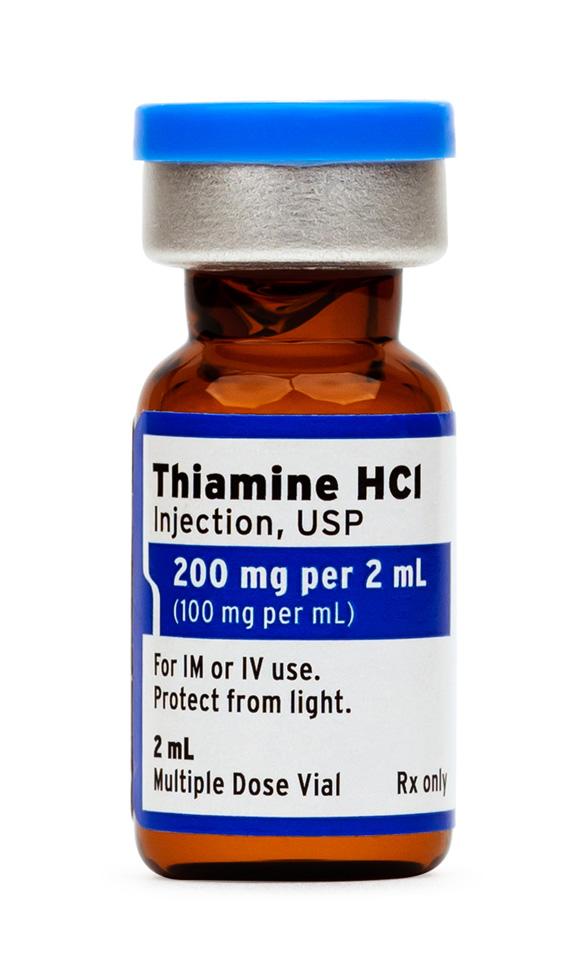
In a world obsessed with macronutrients like proteins, fats, and carbohydrates, the unsung heroes of nutrition often go unnoticed. Like tiny guardians, thiamine, riboflavin, and the B vitamins quietly play their vital roles in the intricate dance of our body’s biochemical processes. While they may be micronutrients, they hold macro significance to our overall health and well-being. So, embark on a journey with us as we unravel the secrets of these essential warriors, and discover how to strike a harmonious balance with the power of thiamine, riboflavin, and B vitamins. Prepare to dive deep into the world of micronutrient magic!
1. Understanding the Importance of Micronutrients: Exploring the Vital Roles of Thiamine, Riboflavin, and B Vitamins in a Balanced Diet
When it comes to maintaining a balanced diet, it’s important to focus not only on macronutrients like carbohydrates, proteins, and fats, but also on the micronutrients that our bodies need in smaller amounts. Thiamine, riboflavin, and B vitamins are three essential micronutrients that play vital roles in our overall health and well-being. Let’s dive deeper into their importance and how you can ensure you’re getting enough of these micronutrients in your diet.
Thiamine, also known as vitamin B1, is crucial for the metabolism of carbohydrates. It helps convert the food we eat into energy that our bodies can use efficiently. Riboflavin, or vitamin B2, is essential for cell growth and vitality. It aids in the production of energy and supports the healthy maintenance of skin, hair, and nails. B vitamins, a group of eight water-soluble vitamins, further contribute to overall well-being. They play important roles in the proper functioning of the nervous system, cellular metabolism, and the production of red blood cells.
- Thiamine-rich foods include whole grains, legumes, and nuts.
- Riboflavin can be found in foods like milk, leafy greens, and lean meats.
- B vitamins are abundant in foods such as meat, fish, eggs, dairy products, and leafy greens.
By incorporating a variety of these nutrient-rich foods into your diet, you can ensure a proper intake of these important micronutrients. Remember, balance is key when it comes to your overall nutrition, so embrace a diverse range of healthy options to support your body’s needs.

2. Nourishing Your Body with Thiamine: Sources, Benefits, and Recommended Daily Intake
Thiamine, also known as vitamin B1, is an essential micronutrient that plays a crucial role in maintaining the proper functioning of our body. It is responsible for converting carbohydrates into energy, supporting a healthy nervous system, and aiding in the metabolism of protein and fats. Including thiamine-rich foods in your diet is essential for maintaining overall wellness.
There are several sources of thiamine that you can incorporate into your daily meals. Whole grains like brown rice and oats, legumes such as lentils and chickpeas, seeds like sunflower and chia seeds, and nuts like almonds and pistachios are excellent sources of this vital vitamin. Other options include lean pork, fish, and eggs. To ensure that you’re getting sufficient thiamine, it’s important to consume these foods regularly. The recommended daily intake of thiamine for adult males is 1.2 mg, and for adult females, it is 1.1 mg. However, it is important to note that these values may vary depending on age, gender, and individual health conditions.”
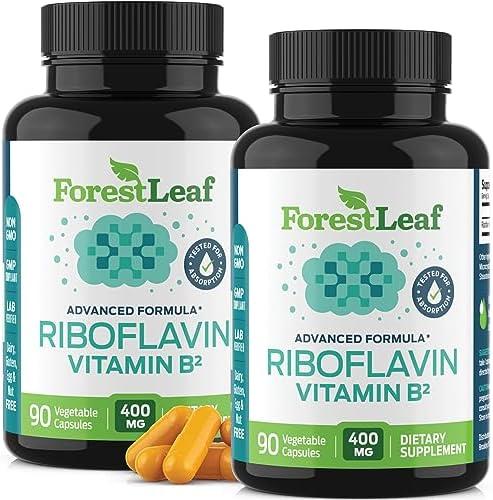
3. Unleashing the Power of Riboflavin: Discovering the Health Benefits and Top Food Sources
Are you looking to optimize your nutrition and boost your overall well-being? Look no further than riboflavin, also known as vitamin B2, for its outstanding health benefits. This incredible nutrient plays a vital role in a wide range of bodily functions, making it an essential component of a balanced diet. From promoting cell growth and energy production to maintaining healthy vision and skin, riboflavin truly unleashes its power throughout your body.
One of the most alluring aspects of riboflavin is its ability to enhance your body’s metabolism. This means that incorporating riboflavin-rich foods into your diet can contribute to a more efficient breakdown of carbohydrates, proteins, and fats. To harness the power of riboflavin, consider adding sources like almonds, spinach, milk, and eggs into your daily meals. These nutrient-dense foods not only provide an abundance of riboflavin but also offer other essential vitamins and minerals that complement its benefits. Remember to opt for minimally processed options, as excessive heat and light can drain riboflavin content from foods.
Incorporating riboflavin-rich foods into your diet can be an exciting adventure, as you uncover new flavors and combinations that nourish your body. Allow yourself to explore the diverse world of riboflavin sources, and reap the rewards of improved cell function, energy production, and vibrant health. Don’t forget to experiment with recipes that make the most of riboflavin-rich ingredients, such as a wholesome spinach salad topped with slivered almonds or a delicious omelet filled with nutrient-packed vegetables and cheese. Embrace the power of riboflavin and unlock a whole new level of well-being!
4. B Vitamins: Essential Allies for Optimal Health and Energy – A Guide to Meeting Your Daily Requirements
Balancing Your Micronutrients: A Guide to Thiamine, Riboflavin, and B Vitamins
When it comes to maintaining optimal health and energy levels, B vitamins are your essential allies. Thiamine, riboflavin, and the entire B vitamin complex play a crucial role in the proper functioning of our body and mind. They are involved in vital processes such as metabolism, energy production, brain function, and even the health of our hair, skin, and nails.
Thiamine, also known as vitamin B1, helps convert carbohydrates into energy, ensuring that our body functions efficiently. It also supports a healthy nervous system and aids in the production of DNA and RNA. You can find thiamine-rich foods such as whole grains, legumes, nuts, and seeds to meet your daily requirements.
- Spinach: This leafy green is packed with thiamine along with other nutrients, making it a great addition to salads or smoothies.
- Pork: Lean cuts of pork, like tenderloin, are a good source of thiamine and can be cooked in various delicious ways.
- Mussels: These shellfish not only provide a rich source of thiamine but also offer other essential minerals like iron and zinc.
Riboflavin
Vitamin B2, also known as riboflavin, is essential for maintaining healthy skin, eyes, and liver function. It helps convert food into energy and supports the production of red blood cells. Including riboflavin-rich foods in your diet is crucial to meeting your daily requirements.
- Yogurt: A cup of plain yogurt not only provides a good amount of riboflavin but also offers probiotics for a healthy gut.
- Almonds: These tasty nuts are not only a convenient snack but also a great way to boost your riboflavin intake.
- Broccoli: Packed with various nutrients, including riboflavin, broccoli is a versatile vegetable that can be steamed, stir-fried, or added to soups.
Remember, maintaining a balanced diet is the key to meeting your daily B vitamin requirements. Incorporating a variety of thiamine and riboflavin-rich foods into your meals will ensure that you enjoy optimal health, energy levels, and overall well-being.
The Conclusion
In conclusion, delving into the world of micronutrients can be overwhelming, but armed with the knowledge of thiamine, riboflavin, and other B vitamins, you can navigate your way towards a balanced and healthy lifestyle. Remember, these tiny powerhouses play a crucial role in maintaining your overall well-being, from energy production and cell repair to boosting your immune system and keeping your mind sharp.
As you embark on your journey to balance your micronutrients, remember to make small, sustainable changes to your diet. Incorporating foods rich in these essential vitamins such as whole grains, lean proteins, fruits, and vegetables can go a long way in meeting your daily requirements. And don’t forget to listen to your body’s cues. If you’re feeling sluggish or experiencing any nutrient deficiencies, consulting with a healthcare professional can help you pinpoint the problem and tailor a plan that works for you.
It’s important to recognize that achieving the perfect balance of thiamine, riboflavin, and B vitamins is a continuous process. Our bodies are unique and ever-changing, so being mindful of our nutrient intake and adjusting accordingly is key. Remember, even the smallest step towards micronutrient balance is a step in the right direction.
So, dear reader, armed with this guide, take charge of your nutrition and embrace the power of micronutrients. Discover the wonders of thiamine, riboflavin, and the vast world of B vitamins. Maintain a harmony within your body, and let these tiny heroes fuel your vibrant life. After all, a balanced diet isn’t just about what you put on your plate, but about how you nourish your body and soul. Here’s to your health and the beautiful symphony of micronutrient balance!