As our bodies gracefully age, they gift us with a tapestry of life experiences and wisdom. However, woven among these threads of wisdom, some challenges may arise. Today, we gather to decipher the complexity of a particular tapestry unraveling in the lives of many: Benign Prostatic Hyperplasia, or as it is more commonly known, BPH. In this article, we explore the intricacies of living with BPH, shedding light on its symptoms and unveiling the management techniques that navigate the intricate web of this condition. So, let us embark on a journey where wisdom and knowledge intertwine, empowering us to navigate the terrain of life with grace and understanding.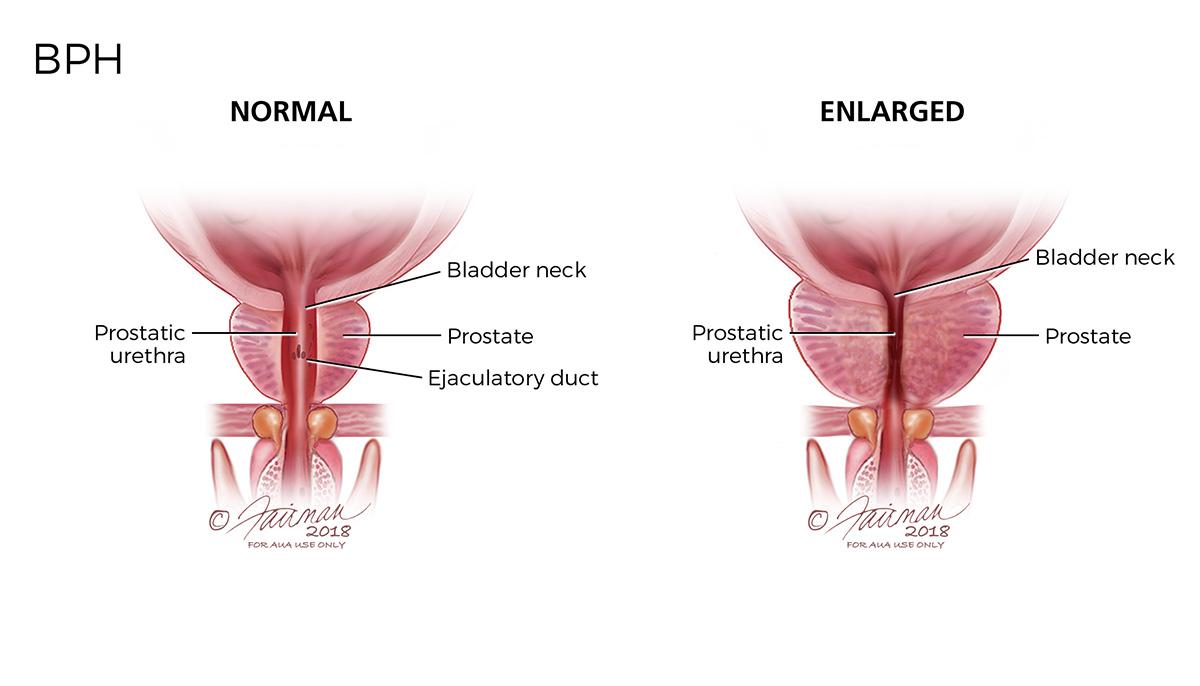
Understanding Benign Prostatic Hyperplasia (BPH): A Comprehensive Overview of Symptoms, Causes, and Risk Factors
Living with Benign Prostatic Hyperplasia (BPH) can significantly impact a man’s quality of life. This comprehensive overview aims to shed light on the symptoms, causes, and risk factors associated with this condition, as well as provide much-needed insights on effective management strategies.
Symptoms of BPH:
BPH primarily affects the prostate, a walnut-sized gland located below the bladder. As the prostate enlarges, it puts pressure on the urethra, leading to various urinary symptoms such as:
- Incomplete bladder emptying: Feeling like you still need to urinate after just having done so.
- Frequent urination: Having the urge to urinate more often, often disrupting sleep patterns.
- Weak urine flow: A diminished force when urinating, making it harder to start or maintain a steady stream.
- Urgency: Feeling a sudden and intense need to urinate.
- Straining: Exerting extra effort to initiate or complete urination.
Management of BPH:
When it comes to managing BPH, there are several approaches that can help alleviate symptoms:
- Lifestyle Modifications: Making changes such as reducing fluid intake before bed, avoiding caffeine and alcohol, and practicing pelvic floor exercises can help improve symptoms.
- Medication: Certain medications, such as alpha blockers and 5-alpha reductase inhibitors, can assist in symptom relief by relaxing muscle tissue and reducing prostate size.
- Minimally Invasive Procedures: If symptoms persist despite lifestyle changes and medication, your healthcare provider may recommend procedures like transurethral microwave therapy or laser surgery to remove or reduce excess prostate tissue.
Navigating the Common Symptoms of Benign Prostatic Hyperplasia (BPH): Insights into Urinary Changes and Discomfort
Living with Benign Prostatic Hyperplasia (BPH) can present various challenges, especially when it comes to recognizing and managing its symptoms. BPH is a non-cancerous condition characterized by the enlargement of the prostate gland, which can lead to urinary difficulties and discomfort. Understanding the common symptoms associated with BPH is crucial for taking proactive steps towards effective management.
One of the primary symptoms of BPH is an increased frequency of urination. This means that you may find yourself needing to visit the bathroom more often, including waking up multiple times during the night. Additionally, BPH can cause a sense of urgency, creating an intense need to urinate that may be difficult to control. Another common symptom is a weak urine stream, where the flow becomes slow and hesitant. This can make it challenging to fully empty your bladder, resulting in a feeling of incomplete voiding. Moreover, some individuals with BPH experience intermittent or interrupted urine flow, which can be particularly frustrating and uncomfortable. The constant start-and-stop pattern can prolong the time spent in the bathroom and may lead to residual urine remaining in the bladder, increasing the risk of urinary tract infections. It’s important to note that while these symptoms are associated with BPH, they can also occur due to other underlying conditions, so seeking a proper medical evaluation is crucial for accurate diagnosis and tailored management.
| Symptom | Description |
|---|---|
| Frequent urination | An increased need to urinate, including waking up multiple times during the night. |
| Urgency | A strong and urgent need to urinate that may be difficult to control. |
| Weak urine stream | A slow and hesitant flow of urine, making it challenging to fully empty the bladder. |
| Intermittent flow | A start-and-stop pattern during urination, resulting in prolonged time in the bathroom and potential residual urine in the bladder. |
Recognizing and managing these symptoms of BPH is essential for maintaining a good quality of life. Fortunately, various treatment options are available. Lifestyle changes, such as limiting fluid intake before bedtime, avoiding caffeine and alcohol, and practicing pelvic floor exercises, may provide some relief. Medications that help relax the smooth muscles of the prostate or shrink its size can also be prescribed by your healthcare provider. In more severe cases, surgical procedures like transurethral resection of the prostate (TURP) or laser therapy may be considered. Living with BPH doesn’t mean you have to endure urinary changes and discomfort without help. Consult with your healthcare professional to develop a customized management plan that caters to your unique symptoms and needs.

Effective Management Strategies for Living with Benign Prostatic Hyperplasia (BPH): Lifestyle Modifications, Medications, and Surgical Options
Living with Benign Prostatic Hyperplasia (BPH) can greatly impact a man’s quality of life, but with the right management strategies, its symptoms can be effectively controlled. Lifestyle modifications play a crucial role in managing BPH. Maintaining a healthy weight and engaging in regular exercise can help alleviate symptoms. Avoiding caffeine and alcohol, especially in the evenings, can reduce the frequency of urinating at night. Adding more fiber to the diet can help prevent constipation, which can worsen BPH symptoms. Additionally, practicing relaxation techniques such as deep breathing and meditation can help manage stress, which can contribute to urinary symptoms.
In addition to lifestyle modifications, there are several medications available to help manage BPH symptoms. Alpha blockers, such as tamsulosin and terazosin, can relax the muscles in the prostate and bladder, improving urine flow. 5-alpha-reductase inhibitors, such as finasteride and dutasteride, can help shrink the prostate over time. Combination therapy with both types of medications may be prescribed for more severe cases. It’s important to consult with a healthcare professional to determine the most suitable medication and dosage for individual needs.
Surgical options may be considered when lifestyle modifications and medications fail to provide adequate relief. Transurethral resection of the prostate (TURP) is a common surgical procedure that involves removing obstructive prostate tissue. Another option is laser therapy, which uses laser energy to vaporize or remove excess prostate tissue. Other minimally invasive procedures, such as prostate artery embolization (PAE) and transurethral microwave thermotherapy (TUMT), can also provide relief. The choice of surgical option will depend on factors such as the size of the prostate, overall health, and individual preferences. It’s essential to discuss the potential risks and benefits of each procedure with a urologist before making a decision.
| BPH Medication Types | Common Examples |
| Alpha blockers | Tamsulosin, Terazosin |
| 5-alpha-reductase inhibitors | Finasteride, Dutasteride |
To Conclude
As the pages of this article draw to a close, we hope to have shed some light on the enigmatic world of living with Benign Prostatic Hyperplasia (BPH). While BPH may impose certain challenges on one’s life, transforming inconvenience into opportunity is an art that can be mastered.
By understanding the symptoms and knowing what to look out for, a path towards effective management is laid out before us. Remember, listening to the whispers of your body is the key to unlocking a harmonious existence.
Embrace the power of knowledge and consult with your trusted healthcare provider to devise an individualized plan suitable for your specific needs. Whether it be medications, lifestyle changes, or interventions, remember that you are the conqueror of your own journey.
Let us not overlook the strength that lies in support systems. Your loved ones, friends, and support groups can become pillars of encouragement during times of uncertainty. Together, we can face the challenges imposed by BPH, shattering its grip and cautiously propelling towards a brighter horizon.
Be persistent, dear reader, in your efforts to take charge of your well-being. Remember that the symphony of life is composed of both high and low notes, and with the right mindset, BPH can merely be a gentle hum in the background.
So, let us bid adieu with hope in our hearts and an unwavering resolve to face life’s difficulties head-on. Living with Benign Prostatic Hyperplasia is not a sentence but an opportunity to redefine what it means to live fully. May your path be paved with understanding, strength, and peace as you embark on this journey of self-discovery.