
In today’s fast-paced world, stress has become an unwelcome companion in the lives of many. It creeps in silently, wreaking havoc on our mental and physical well-being. While stress may not discriminate based on gender, the tools and techniques to combat it can vary drastically for men. So, gentlemen, it’s time to take a breather, leave worries behind, and equip ourselves with the essential tools to conquer stress and regain balance in our lives. This article delves into a treasure trove of knowledge, presenting an arsenal of strategies tailored specifically for men. From simple lifestyle adjustments to powerful mental exercises, join us as we unravel the secrets to managing stress and fostering a harmonious state of mind and body. Ready to embark on this transformative journey? Let’s delve into the realms of stress management, where tranquility and serenity await.
– Understanding the Impact: Exploring the Relationship Between Stress and Mental & Physical Health
In today’s fast-paced, often overwhelming world, stress has become a common aspect of many people’s lives. While stress is a natural response to challenging situations, prolonged and excessive stress can take a toll on both mental and physical health. It’s important for everyone, including men, to prioritize managing stress in order to maintain a healthy balance in their lives.
When it comes to managing stress, there are several tools that men can utilize to promote mental and physical well-being. One effective strategy is to incorporate regular exercise into their routines. Physical activity not only helps to reduce stress levels but also releases endorphins, which are known as the body’s natural stress fighters. Whether it’s going for a run, attending a yoga class, or playing a sport, finding an exercise activity that brings joy and relaxation is crucial.
- Regular exercise reduces stress levels and releases endorphins.
- Engaging in hobbies and leisure activities helps to promote relaxation.
- Practicing mindfulness and meditation can bring a sense of calm and centering.
- Establishing a healthy work-life balance is essential for managing stress.
In addition to physical activity, engaging in hobbies and leisure activities can also have a positive impact on stress management. Taking time for activities that bring joy and relaxation not only provides an outlet for stress but also allows for a much-needed break from the demands of everyday life.
Mindfulness and meditation are tools that can bring a sense of calm and centering amidst the chaos of daily stressors. Taking a few minutes each day to practice deep breathing, focus on the present moment, and let go of intrusive thoughts can greatly reduce stress levels and promote mental well-being.
Achieving a healthy work-life balance is another crucial aspect of managing stress. Finding ways to prioritize personal time, self-care, and quality time with loved ones can help to alleviate stress and prevent burnout. Setting boundaries, learning to delegate tasks, and practicing effective time management are all strategies that men can utilize in order to create a healthier balance between work and personal life.

– Building an Effective Stress Management Toolkit: Strategies and Techniques for Men
When it comes to managing stress, having the right tools in your toolkit can make all the difference. In this post, we will explore effective strategies and techniques specifically designed for men to maintain mental and physical balance. By incorporating these tools into your daily routine, you can improve your overall well-being and better navigate the challenges that life throws your way.
1. Exercise: Physical activity is a powerful stress buster. Incorporating regular exercise into your routine can boost your mood, reduce anxiety, increase energy levels, and improve overall sleep quality. Whether it’s hitting the gym, going for a run, or practicing martial arts, find an activity that you enjoy and make it a priority.
2. Mindfulness: Practice the art of mindfulness to help calm your mind and alleviate stress. Mindfulness involves focusing your attention on the present moment without judgment. This can be achieved through techniques such as deep breathing exercises, meditation, or yoga. By embracing mindfulness, you can cultivate a sense of inner peace and learn to manage stress more effectively.
| Benefits of Exercise | Benefits of Mindfulness |
|---|---|
| Boosts mood | Reduces stress |
| Increases energy levels | Promotes mental clarity |
| Improves sleep quality | Fosters emotional well-being |
Remember, building an effective stress management toolkit is a lifelong journey. It’s important to experiment with different techniques and strategies to discover what works best for you. By prioritizing self-care and investing in your mental and physical well-being, you can equip yourself with the tools needed to navigate the stresses of everyday life with greater ease and resilience.
– Prioritizing Self-Care: Practical Tips and Activities to Maintain Mental and Physical Balance
Prioritizing Self-Care: Practical Tips and Activities to Maintain Mental and Physical Balance
In today’s fast-paced world, stress has become a common companion for many, and men are no exception. As we navigate through demanding work environments and personal responsibilities, it’s crucial to prioritize self-care to maintain our mental and physical well-being. Here are some practical tools and activities that can help us manage stress and find balance in our lives:
- Exercise: Physical activity is not only beneficial for our physical health but also for our mental well-being. Incorporate regular exercise into your routine, whether it’s hitting the gym, going for a run, or practicing yoga. Find an activity that you enjoy, and make it a priority to engage in it regularly.
- Mindfulness: Embrace mindfulness practices to reduce stress and enhance mental clarity. Start by setting aside a few minutes each day for meditation or deep breathing exercises. Engage in activities that promote mindfulness, such as journaling or going for mindful walks in nature.
- Connect with loved ones: Maintain strong relationships and foster social connections. Dedicate quality time to spend with your friends, family, or significant other. Share your thoughts and feelings with trusted individuals who can provide support and understanding.
| Activity | Duration |
|---|---|
| Yoga | 30 minutes |
| Meditation | 10 minutes |
| Journaling | 15 minutes |
| Calling a friend | 20 minutes |
Sleep: Establish a healthy sleep routine by ensuring you get enough restful sleep each night. Aim for 7-9 hours of sleep to recharge your body and mind, improving your overall well-being.
Healthy diet and hydration: Fuel your body with nutrient-rich foods that nourish both your body and mind. Consume a variety of fruits, vegetables, whole grains, and lean proteins. Stay hydrated by drinking an adequate amount of water throughout the day.
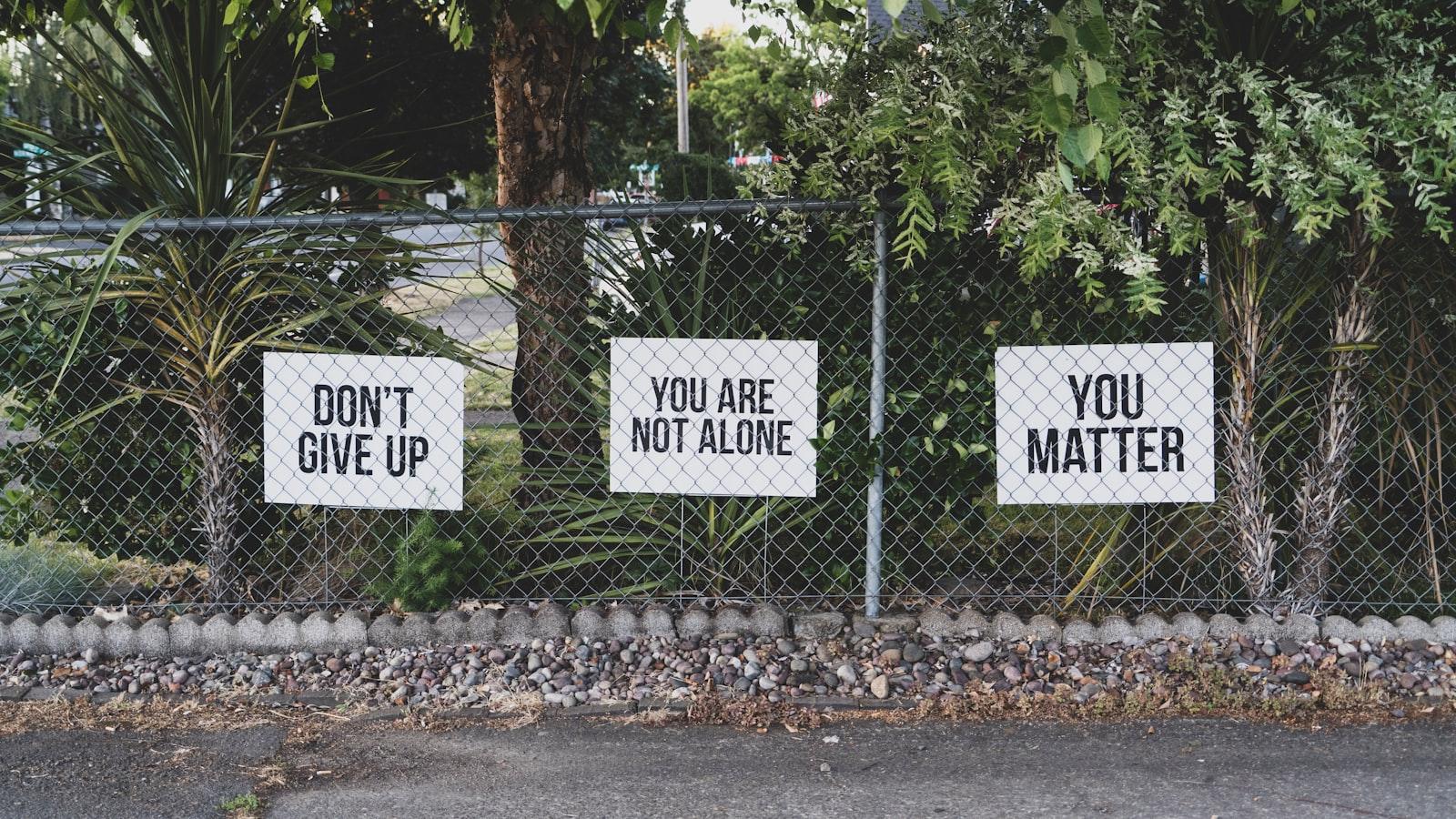
- Seeking Support: Harnessing the Power of Relationships and Professional Assistance in Stress Management
Building a Support System:
Managing stress is not a task that should be taken on alone. As men, we often tend to bottle up our emotions and shoulder the burdens of life alone. However, seeking support from trusted relationships or professional assistance can greatly alleviate stress and promote mental and physical balance. Don’t be afraid to confide in close friends or family members who can provide a listening ear and offer valuable advice. Additionally, seeking professional help from therapists or counselors can provide a safe space to explore your stress triggers and develop effective coping strategies.
Here are a few ways you can harness the power of relationships and professional assistance in stress management:
- Open up: Share your feelings and experiences with someone you trust. Sometimes, just talking about the stressors in your life can provide relief.
- Practice active listening: Be present and attentive when others are sharing their struggles. Offering support to others can also be a source of healing for yourself.
- Explore therapy options: Consider scheduling appointments with therapists who specialize in stress management. They can help you develop personalized strategies for maintaining balance in your life.
The Power of Self-Care:
While seeking support is important, self-care should also be an integral part of your stress management routine. Taking care of your mental and physical well-being is crucial for maintaining balance and resilience. Here are some self-care practices that can prove beneficial:
- Regular exercise: Engage in physical activities that you enjoy. Whether it’s going for a run, playing a sport, or practicing yoga, exercise releases endorphins and reduces stress.
- Meditation and mindfulness: Take a few minutes each day to focus on your breathing and be present in the moment. Mindfulness practices can help calm your mind and reduce anxiety.
- Set boundaries: Learn to say no and prioritize your own well-being. It’s okay to decline additional responsibilities when you already have enough on your plate.
- Pursue hobbies: Engage in activities outside of work that bring you joy and relaxation. Whether it’s reading, painting, or playing an instrument, hobbies provide an outlet for stress relief and personal fulfillment.
Remember, managing stress is an ongoing process. By building a support system and practicing self-care, you can navigate life’s challenges with greater resilience and maintain a healthy mental and physical balance.
Wrapping Up
In this ever-demanding world that we live in, where stress seems to have become an unwelcome companion in our daily lives, finding the tools to manage and maintain our mental and physical balance has become an imperative. And in this article, we have explored the unique perspective of men in dealing with stress, offering valuable insights and effective tools to help navigate the murky waters of modern life.
From the depths of the mind to the strength of the body, we have delved into various aspects of stress management, recognizing that true balance lies in addressing both the mental and physical dimensions. We have disentangled the misconceptions surrounding masculinity and vulnerability, highlighting the importance of emotional well-being and forging connections with others. We have unveiled the significance of mindfulness and self-reflection in the pursuit of serenity, unveiling methods to cultivate a resilient inner self.
But beyond theory lies practice, and we have ventured into the realm of practicality, equipping you with tangible tools to incorporate into your daily routine. We have encouraged the practice of exercise and explored how physical activity can work miracles in mitigating stress. And we have not stopped there, for nutrition and sleep, the unsung heroes of well-being, have also been dissected, providing insight into how optimizing these areas can bolster your overall resilience.
Life can sometimes feel like a tempestuous journey, relentlessly tossing us about. The key, however, lies not in avoiding those storms, but in equipping ourselves with the tools to weather them. So, dear reader, armed with the knowledge and tools gained within these pages, you are now poised to conquer the trials and tribulations that come your way. May this article serve as your guiding light to maintain a state of mental and physical equilibrium, allowing you to navigate the tumultuous waters of life with grace and resilience.
Remember, balance is a journey and not a destination. It requires constant vigilance and effort. So, embrace the exercises, the techniques, and the wisdom shared here, making them an integral part of your everyday life. By doing so, you will not only safeguard your well-being but also inspire others to embark on their own quest for balance.
Now, go forth, dear reader, and forge your path towards a harmonious existence. For as you take charge of your stress, you take charge of your life.